Vaisakhi Celebrations in Australia: Best Events, Cities & What to Expect
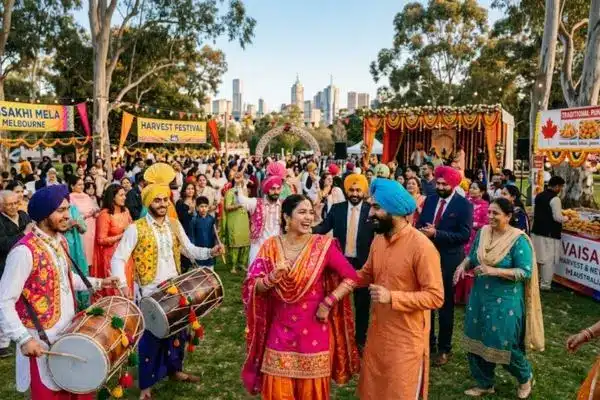
Vaisakhi, the vibrant Sikh harvest festival and New Year celebration, has found a joyful home in Australia. From colourful parades and traditional Bhangra performances to delicious langar and cultural fairs, Australian cities come alive every April with Sikh heritage and community spirit.
Whether you’re in Sydney, Melbourne, or Perth, Vaisakhi offers a unique blend of tradition, music, dance, and togetherness. Discover the best events, must-visit cities, and what to expect as Australia celebrates this auspicious occasion with warmth and grandeur.
Vaisakhi in Australia
Vaisakhi celebrates the Sikh New Year and the founding of the Khalsa in 1699. In Punjab, it marks the spring harvest. In Australia, the celebration falls in autumn, usually in mid-April.
The celebration here blends traditional observance with the reality of being thousands of kilometres from Punjab. You’ll find the same core elements such as kirtan performances, nagar kirtan processions, and community langar meals. But Australian celebrations often happen on the weekend closest to April 14 rather than on the exact date, making them accessible to working families.
Everyone is warmly welcomed, regardless of faith or background. Both langar and Vaisakhi celebrations promote equality and community. Non-Sikhs attend in large numbers every year, and organisers actively encourage it.
Sydney: Harris Park and Blacktown Lead the Way
Harris Park hosts Australia’s largest Vaisakhi street festival. It closes multiple blocks of Marion Street and attracts tens of thousands of people.
Expect lively stage shows with bhangra dancers, dhol drummers, and kirtan singers. Food stalls offer samosas, pakoras, jalebi, and butter chicken. The langar tent serves free vegetarian meals all day.
The nagar kirtan procession starts from the Gurdwara, with five volunteers carrying the Guru Granth Sahib under a canopy, led by the Panj Pyare in saffron robes.
A practical tip:
Parking fills up by 10 am on event day. Take the train to Harris Park station instead. The train puts you two minutes from Marion Street. Check the Transport NSW website for current Opal fares from Central to Harris Park, but expect around $8-10 return with off-peak discounts.
Blacktown’s celebration is slightly smaller but similar, centred around Gurdwaras on First Avenue and Blacktown Showground. The showground event runs from 11 am to 6 pm with free entry and parking.
Melbourne's Growing Vaisakhi Scene
Melbourne’s Sikh community is concentrated in the western and northern suburbs. Craigieburn hosts significant celebrations at the Gurdwara complex on Hanson Road.
Unlike Sydney’s lively street festival, Melbourne’s events focus more on religious aspects with longer kirtan sessions, talks on Sikh history, and a structured programme. The langar hall seats several hundred people.
Truganina and Tarneit hold smaller, more intimate gatherings where you can chat with long-time community members about the rituals.
Plan for 3 to 4 hours. Arrive for morning prayers around 9–10 am or join the afternoon session and langar from 1 pm.
Perth: Smaller Scale, Strong Community Feel
Perth’s Vaisakhi celebrations are held mainly at the Sikh Temple in Canning Vale. With a community of thousands rather than tens of thousands, the atmosphere is much more intimate and personal.
Volunteers warmly explain the proceedings, invite you to sit for langar, and guide you on protocols like head coverings and removing shoes. The smaller crowd (compared to Sydney’s massive gatherings) makes it easy to ask questions without feeling rushed.
The nagar kirtan procession follows a shorter route but keeps all traditional elements. Local families bring children dressed in miniature Khalsa uniforms, giving the event a warm, neighbourhood gathering feel.
First-Timer Essentials: What You Actually Need
What to bring
A cotton scarf or bandana for head covering. Most Gurdwaras provide disposable coverings, but they’re flimsy and constantly slide off if you have long hair. A proper cotton scarf stays put and shows genuine respect. Tuck one in your bag.
You’ll remove your shoes before entering any Gurdwara space. Wear socks. The marble floors get scorching hot in the afternoon sun, and walking barefoot through crowds of 5,000 people isn’t pleasant.
Clothing Guidelines
Wear whatever’s comfortable, but cover shoulders and knees inside the Gurdwara. Outside at street festivals, normal summer clothes work fine. Avoid black if you want to blend in. Bright colours like yellow, orange, and green dominate Vaisakhi. No one will stop you from wearing black, but you’ll stand out in every photo.
Langar is completely free, but it’s vegetarian and served while sitting on the floor. If you have mobility issues, mention it to volunteers who can arrange chair seating. Most langar includes roti, daal, rice, sabzi, and kheer for dessert.
Mobility Accommodations
Most major Gurdwaras now have chairs available along the back and side walls for elderly people or anyone with knee or back problems. We’ve seen wheelchairs accommodated without issue. The principle is equality, not discomfort. If sitting cross-legged on the floor for 20 minutes isn’t feasible for you, quietly ask a volunteer for a chair. They’ll sort it immediately.
Don’t bring alcohol, tobacco, or meat to any Gurdwara premises. The rules are strict, non-negotiable, and enforced.
When to Plan Your Visit
Most major Australian Vaisakhi events happen on weekends close to the actual date. In 2026, with Vaisakhi falling on Tuesday, April 14, expect celebrations on the weekend of April 11-12 or April 18-19.
Smaller Gurdwaras might celebrate on the following weekend to avoid overlap.
Check the specific Gurdwara’s Facebook page or website for confirmed dates and times. Events start early, often with prayers at 6-7 am, but the main community activities run from 10 am to 4 pm.
A practical tip for approaching photography
Ask permission first, especially inside worship spaces. Most organisers welcome photos during processions and public street areas. But pointing cameras at people praying or at the Guru Granth Sahib without asking first is rude. A quick “mind if I take a photo?” goes a long way.
Bring cash if you want to buy from food stalls at street festivals, though langar is always free.
From experience, the timing question
Arrive by 11 am if you want the full experience without overwhelming crowds. The morning prayers finish around 10:30 am, kirtan performances peak from 11 am to 2 pm, and langar service runs continuously but gets packed between 12 pm and 1:30 pm. Come at 11 am, watch the stage performances, eat langar around 2 pm when the queues thin, then stay for the procession if there’s one scheduled.
The experience works best when you show up willing to participate rather than just observe. Sit for langar, watch the full procession, ask questions. Vaisakhi in Australia succeeds because it’s built on openness, and that invitation extends to you.
Oscar Mike is a professional content writer and passionate traveler with more than 8 years of experience in crafting engaging travel content. He enjoys sharing his travel experiences, useful tips, and destination guides to inspire others to explore the world. When he’s not writing, you’ll find him playing with his beloved cats and kittens.