
Planning Your Trip to Lebanon: A Complete Travel Guide
Lebanon packs mountains, coastline, ancient ruins, and some of the best food in the Middle East into a country roughly the size of a large Australian regional shire. For the Lebanese diaspora especially, a trip home often means visiting family as much as sightseeing, and this guide covers both.
Do Australians Need a Visa for Lebanon?
Under normal conditions, Australian passport holders can get a visa on arrival at Beirut airport or land border crossings. It’s typically free for short tourist stays and valid for around one month.
You’ll need:
- A passport valid for at least six months beyond your arrival date
- Proof of onward or return travel
- A return or onward flight booking to show at immigration
Longer stays or multiple entries usually require applying through the Lebanese embassy in Australia before you travel.
Best Time to Visit Lebanon
Spring, from April to June, and autumn, from September to November, are the most comfortable seasons. Temperatures sit in a pleasant range, and you avoid both the summer heat along the coast and winter snow in the mountains.
Summer brings hot, dry weather in Beirut and along the coast, though it’s also when the mountain towns come alive with festivals and cooler air. Winter turns the Chouf and Mount Lebanon ranges into a genuine ski destination, an unexpected detail for a country most people associate with Mediterranean beaches.
Top Places to Visit in Lebanon
Beirut
Lebanon’s capital is a mix of restored Ottoman-era buildings, war-scarred facades still standing as a reminder of the past, and a food and nightlife scene that punches well above the city’s size. Downtown Beirut, Gemmayze, and Mar Mikhael are the main areas for walking, eating, and people-watching.
Byblos
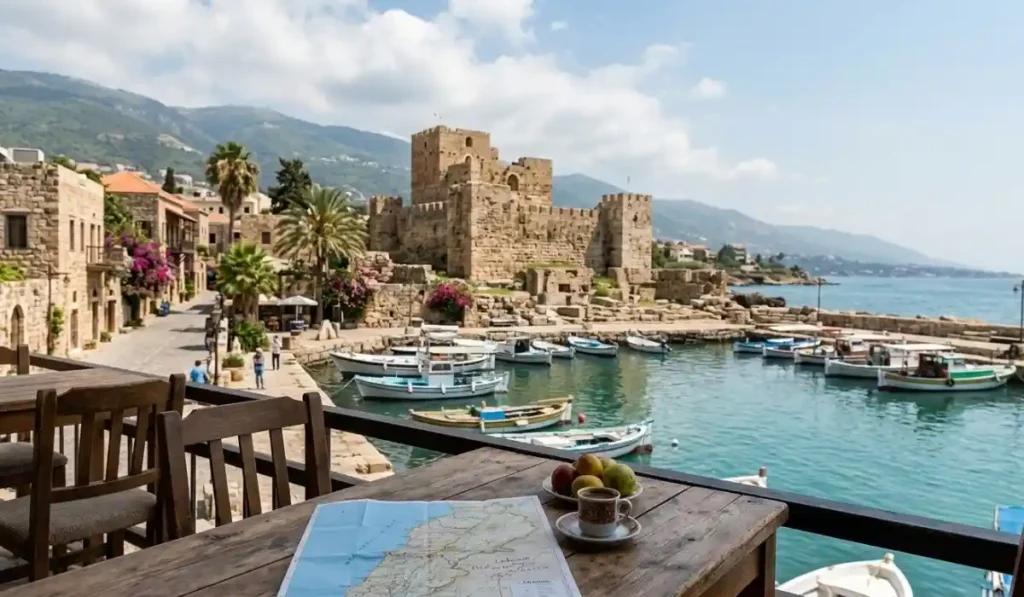
One of the oldest continuously inhabited cities in the world, Byblos combines a Crusader-era castle, a small fishing harbour, and Phoenician ruins within a compact, walkable old town. It’s an easy day trip from Beirut and a good introduction to Lebanon’s layered history.
Baalbek
Home to some of the best-preserved Roman temple ruins anywhere, Baalbek’s Temple of Jupiter and Temple of Bacchus are on a scale that rivals anything in Rome itself. It sits in the Beqaa Valley, so it’s usually paired with a wider day trip through the region.
The Cedars of God
A protected grove of ancient cedar trees in the northern mountains, some estimated at over a thousand years old. The cedar is Lebanon’s national symbol, and this is one of the last old-growth groves left in the country.
Jeita Grotto
A two-level limestone cave system north of Beirut, with an underground river you can tour by boat through the lower cavern. It’s one of the more unusual attractions in the country and works well as a half-day trip.
Tyre and Sidon
These southern coastal cities hold Phoenician and Roman ruins, including Tyre’s well-preserved hippodrome. Given the current security advice, southern Lebanon is one of the areas travellers should treat with particular caution and check specific regional guidance closer to any travel date.
Food Worth Planning Your Trip Around
Lebanese food at home is a different experience to what most people know from restaurants abroad. A proper mezze spread, fresh manakish from a local bakery, and the seasonal produce of the Beqaa Valley are reason enough to visit on their own.
Beirut’s restaurant scene ranges from long-running family institutions to newer openings blending traditional dishes with modern technique, so there’s plenty to explore beyond the classics.
Getting Around Lebanon
Public transport is limited outside Beirut, so most visitors rely on hired cars, private drivers, or shared taxis called “service” taxis for getting between towns. Roads in the mountains can be narrow and steep, so a local driver is often less stressful than self-driving if you’re not used to the terrain.
Distances are short by Australian standards. Most major sites sit within two hours of Beirut, which makes day trips practical rather than something that eats your whole itinerary.
Currency and Costs
The Lebanese lira has seen significant volatility in recent years, and most tourism-related businesses now price in US dollars. Carrying US cash is common practice for visitors, alongside a card for larger hotel or restaurant bills where accepted.
Check current exchange rates and cash withdrawal options before you travel, since ATM access and card acceptance can vary more than in other Mediterranean destinations.
Final Word
Lebanon has always been a country worth the extra planning, even before the current situation. Keep an eye on Smartraveller’s updates, be ready to adjust dates if conditions shift, and treat this guide as the groundwork for a trip you’ll take when it’s genuinely safe to do so.
Frequently Asked Questions
Q: Is it currently safe to travel to Lebanon?
A: As of mid-2026, Australian Government advice is do not travel to Lebanon due to the volatile security situation. Check Smartraveller before making any booking decisions.
Q: Do Australians need a visa for Lebanon?
A: Under normal circumstances, yes, though it’s typically issued free on arrival for short tourist stays, valid for around one month.
Q: What’s the best time of year to visit Lebanon?
A: Spring and autumn offer the most comfortable weather, avoiding summer heat on the coast and winter snow in the mountains.
Q: How long should a Lebanon trip be?
A: Ten to fourteen days allows time for Beirut, Byblos, Baalbek, and the mountains without rushing between them.
Q: Is Lebanese currency accepted for tourists?
A: Most tourism businesses now price in US dollars, so carrying US cash alongside a card is the practical approach.