Authentic Lebanese Food in Sydney: Markets and Cultural Hubs to Visit
You do not get serious halloumi suppliers, specialist za’atar importers, and Lebanese pastry shops competing on the same block unless the local population demands them every day of the week.
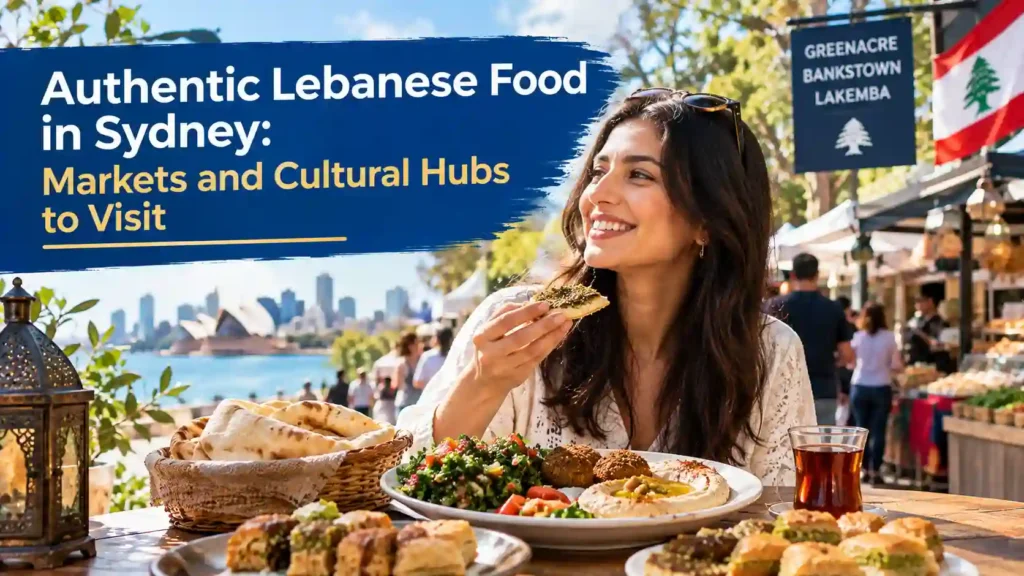
Three suburbs in Sydney’s south-west, Greenacre, Bankstown and Lakemba, sit within a few kilometres of each other. Each has its own Lebanese food character, making them worth visiting together if you’re planning a day out. If you’re also planning a Lebanon holiday, you may enjoy exploring these Sydney food hubs before your trip.
Greenacre: The Year-Round Lebanese Strip
If you only go to one suburb, make it Greenacre. Most food tourists head straight to Lakemba without realising that Greenacre, sitting about two kilometres north-west, has a denser concentration of Lebanese-specific food businesses that trade all year, not just during Ramadan.
Al Aseel: The Original That Started It All
Al Aseel opened its Greenacre restaurant at 183 Waterloo Road in 2002, and it is still the flagship of what is now a nine-location Sydney group. The 100-seat dining room is open seven days from noon. Weekday closing is 9pm, Friday and Saturday 10pm, and Sunday 8pm.
This location does not serve or permit alcohol, in keeping with its halal certification. Non-alcoholic drinks are available.
What to order here is straightforward. The kibbeh nayeh is cured beef mince mixed with burghul, pine nuts, and house-roasted spices. Al Aseel describes it as cured rather than raw. Think of it as a version of the Lebanese steak tartare.
The toum (whipped garlic sauce) comes with most grilled plates. Fattoush and baba ghanoush are done properly, and the shish tawook (marinated chicken skewers) are solid. Prices sit at the affordable end for sit-down dining.
Sea Sweet Patisserie: Serious Lebanese Sweets at 100 Waterloo Road
Sea Sweet at 100 Waterloo Road is a Lebanese sweets shop that runs a takeaway-focused model. The knafeh (shredded pastry with melted cheese, soaked in rose-scented syrup) is the main reason to come. They also carry baklawa (the Lebanese spelling), maamoul biscuits, semolina cakes, and a Lebanese fruit cocktail made with avocado, cream, and seasonal fruit that sounds strange and tastes excellent.
The volume they operate at is not small. Broadsheet reported that during Ramadan they produced 2.5 tonnes of baklawa and 1.8 tonnes of biscuits in a single month. During the rest of the year, they operate standard retail hours from around 7am to 11pm daily.
Worth noting: Most of the goods are takeaway, so do not plan for a long sit-down.
Bankstown: Lebanese Bakeries and a Landmark Festival
Bankstown proper is about two kilometres east of Greenacre. The character of the food here leans more toward bakeries, charcoal chicken, and casual daytime eating.
Rashel Bakery: Manoush Done Properly Since 2012
Rashel Bakery at South Terrace Plaza in Bankstown has been open since 2012, run by a Lebanese chef with decades of experience in traditional dough-making. The core offering is manoush (flatbread topped and baked or griddled on a saj dome). Zaatar, cheese, and lahmajoun (Lebanese-style minced meat pizza from Tripoli) are the standards. Hours are Monday to Friday 8am to 7pm, Saturday 8am to 4pm, and Sunday 8am to 3pm.
This is the kind of place where you eat breakfast at the counter standing up, the way it is done back in Lebanon. Nothing fancy, just good.
Bankstown Bites: The Free Annual Festival Every July
Bankstown Bites is a free, annual food festival run by the City of Canterbury-Bankstown Council. It has been running since 2005 and regularly draws upward of 14,000 attendees.
The 2026 edition, its 21st year, ran on Friday 24 July (5pm to 9pm) and Saturday 25 July (noon to 6pm) at Olympic Parade and Griffith Park, Bankstown. That edition has now concluded; check the council’s event page for confirmed 2027 dates closer to next year’s festival.
Lebanese pizza, charcoal chicken, and sweets always feature heavily alongside cuisines from other communities. The 2026 program also included La Booza, a Lebanese-style gelato business operating out of a Punchbowl petrol station.
The council also runs food tours in the weeks before the festival, typically visiting Greenacre, Panania, and Campsie. These are worth watching for if you want a guided introduction rather than exploring on your own.
Lakemba: The Best Seasonal Food Event in Western Sydney
Lakemba is the most well-known name, but it is important to understand what you are actually visiting. Haldon Street, the main commercial strip, is home to Lebanese, Egyptian, and mixed Middle Eastern food businesses year-round.
Lakemba Nights During Ramadan
Lakemba Nights is an annual street food market on Haldon Street, managed by the City of Canterbury-Bankstown. Recent editions have drawn well over a million attendees across the month, making it one of the most attended multicultural events in Sydney.
The 2026 event ran every Thursday to Sunday from 6pm to 2am between 19 February and 15 March. That event has now concluded; the event follows the Ramadan calendar, so the exact dates shift each year and are worth checking closer to the time.
It is primarily a Ramadan event, operated in the spirit of iftar (the evening meal that breaks the fast from dawn to dusk during Ramadan). The market goes well beyond Lebanese food, with Indian, Pakistani, Syrian, Burmese, and dozens of other cuisines all represented.
But Lebanese stalls are always well-represented, and you will find knafeh, shawarma, fatayer, and Lebanese pastries alongside the rest.
Practical note: The T3 Bankstown line has previously been closed for Sydney Metro works during the event period, with replacement bus services running in its place. Check Transport NSW closer to the next event date for the current arrangement, since replacement routes have varied between years.
Lakemba Year-Round
Outside of Ramadan, Lakemba is still worth a visit for Lebanese food, but the experience is calmer. Jasmins restaurant on Haldon Street is a long-established Lebanese sit-down option. Al Aseel also has a Lakemba location on Haldon Street.
Planning Your Visit Across All Three Suburbs
Greenacre, Bankstown and Lakemba are close enough together to visit in a single day. If you’re visiting family in Lebanon as part of a wider trip, these Sydney food spots are also a great way to experience Lebanese culture before you travel.
- Short on time? Prioritise Greenacre for the widest range of dedicated Lebanese food businesses trading every day of the year.
- Visiting during Ramadan? Build your trip around Lakemba Nights, but check public transport arrangements first, since replacement bus routes for the T3 line have changed between years.
- Visiting in July? Check whether Bankstown Bites falls within your dates, since it’s a single free weekend rather than a month-long event.
Frequently Asked Questions
Are Bankstown Bites and Lakemba Nights free to attend?
Yes, both are free council-run events. Food and drink at individual stalls are paid for separately.
Is alcohol available at these Lebanese restaurants and events?
Al Aseel’s Greenacre restaurant does not serve or permit alcohol, in keeping with its halal certification. Check individual venues and stallholders for their own policies.
What’s the best time of year to visit for Lebanese food specifically?
Greenacre and Bankstown’s bakeries and restaurants trade year-round, so any time works. If you want the festival atmosphere, Ramadan (for Lakemba Nights) or July (for Bankstown Bites) are the standout windows.
How do I get to Lakemba Nights if the train line is closed?
Check Transport NSW’s event page closer to the date, since replacement bus routes for the T3 line closure have changed between recent years.
Which suburb has the most Lebanese-specific food businesses?
Greenacre, according to a denser concentration of dedicated Lebanese restaurants, patisseries and grocers that trade every day of the week, rather than only during Ramadan.