Istanbul Travel Guide for Australians: Top Attractions & Local Tips
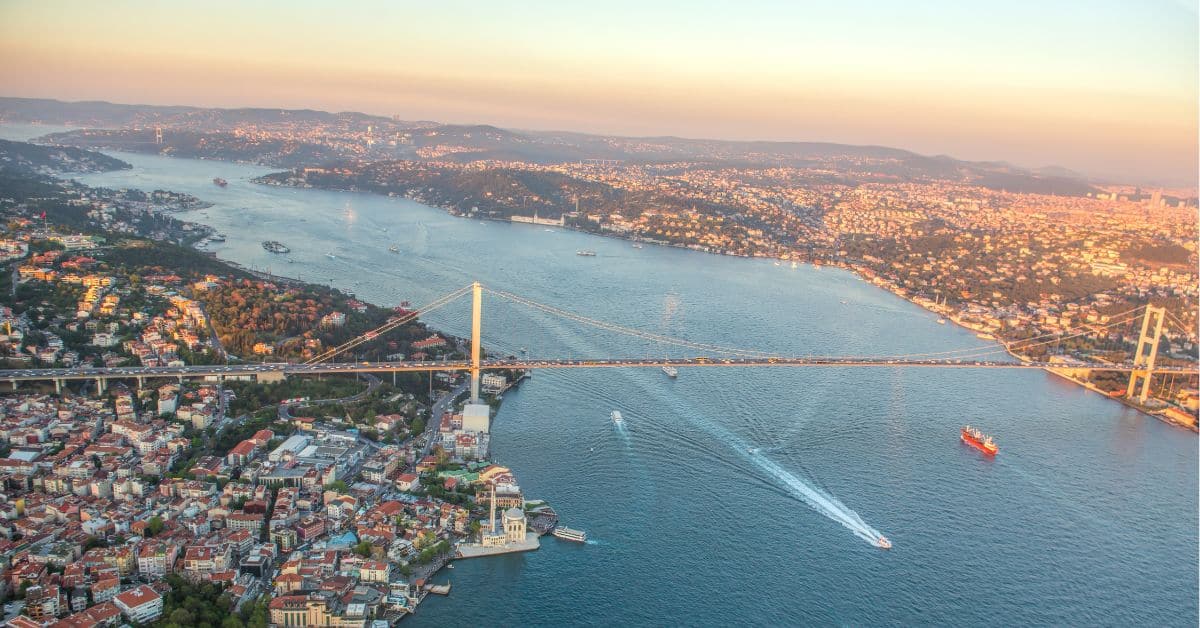
Istanbul sits across two continents, with the Bosphorus splitting the city between Europe and Asia. For Australians planning a trip, that’s part of the appeal. You get Byzantine churches, Ottoman palaces, working mosques and a buzzing bazaar scene, all walkable from a handful of neighbourhoods. This Istanbul travel guide for Australians covers what you need before you go, from flights and entry rules to the attractions worth your time and a few local tips that will save you money and hassle.

Getting to Istanbul from Australia
There’s currently one direct option from Australia to Istanbul. Turkish Airlines flies non-stop from Sydney, and it’s the fastest way to get there if you’re departing from New South Wales. Our Sydney to Istanbul flight page has current fare information, and our guide on finding the best flight deals from Sydney to Istanbul walks through timing your booking.
If you’re flying from Melbourne, Brisbane, Perth, Adelaide or Canberra, expect at least one stopover. Common connection points include Doha, Abu Dhabi, Dubai, Singapore and Kuala Lumpur. Check our dedicated pages for Melbourne to Istanbul, Brisbane to Istanbul, Perth to Istanbul, Adelaide to Istanbul and Canberra to Istanbul for route options and current pricing.
Most flights land at Istanbul Airport (IST) on the European side, which handles the bulk of international traffic. Some routes use Sabiha Gökçen Airport (SAW) on the Asian side instead, so double check which airport your ticket lands at before you plan your first night’s accommodation.
Do Australians Need a Visa for Turkey in 2026?
No. Since April 2026, Australians holding an ordinary passport can enter Türkiye visa-free for tourism, business or transit, as long as the stay is 90 days or less within any 180-day period. This was a genuine change worth knowing about, since Australians previously had to arrange an e-visa before flying.
You’ll still need a passport valid for at least six months beyond your entry date, and it’s worth carrying a printed copy of your return flight details. For the current advice level and any updates, check the Smartraveller Türkiye page before you book, since entry rules and safety advice can change.
Best Time to Visit Istanbul
April, May, September and October are the easiest months to visit. The weather sits in a comfortable range, the summer crowds have thinned out, and you’ll spend less time queuing at major sites.
July and August bring the biggest crowds and the highest heat, often above 30 degrees. Winter, from December to February, is quieter and cheaper, but expect rain and cooler days around the Bosphorus.
Top Attractions in Istanbul
Hagia Sophia
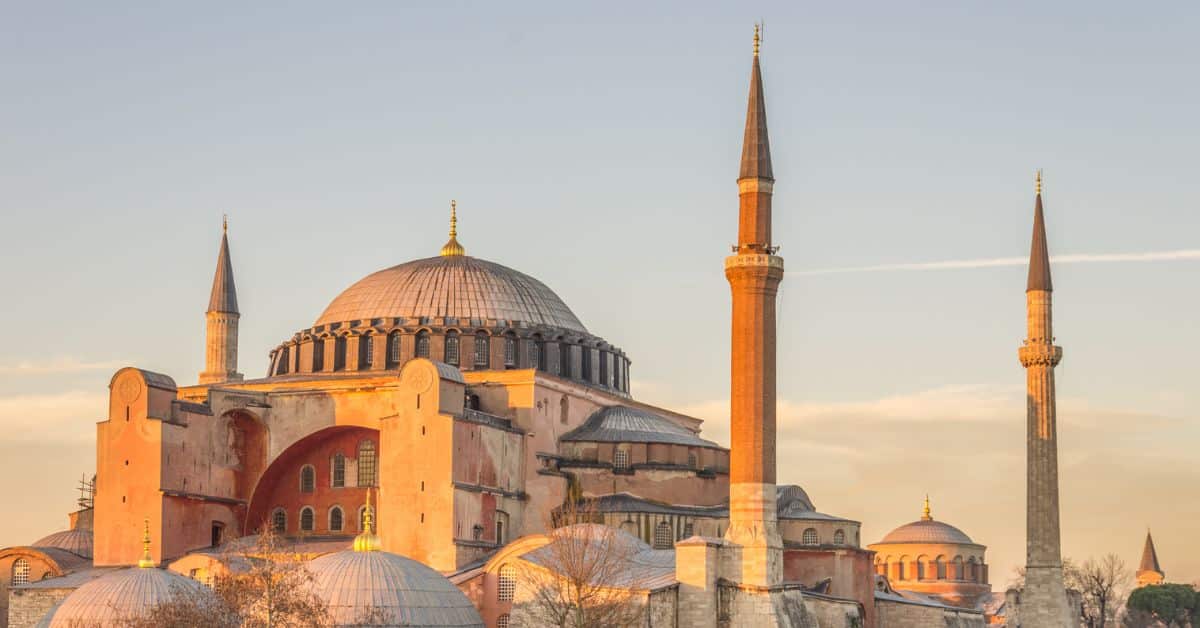
Hagia Sophia has been a cathedral, a mosque, a museum and is now an active mosque again. The ground floor prayer hall is free to enter, but foreign visitors need a paid ticket to access the upper gallery, where the Byzantine mosaics are on display. That ticket currently costs around 25 euros per adult, with children under 8 admitted free.
Hagia Sophia closes to tourists during the five daily prayer times, and the closure runs longest around Friday midday prayer. Dress modestly, cover your shoulders and knees, and women should bring a scarf, though coverings are usually available at the entrance if you forget.
Blue Mosque
Officially the Sultan Ahmed Mosque, the Blue Mosque sits right across the square from Hagia Sophia. It’s a working mosque and entry is free outside prayer times. The same dress code applies here, and you’ll need to remove your shoes at the door.
Topkapi Palace
Topkapi Palace was home to Ottoman sultans for close to four centuries. The main courtyards, the imperial collections and the Harem apartments are all worth the visit, and the palace grounds give you some of the best Bosphorus views in the city. A full ticket covering the palace and Harem currently runs somewhere in the €40 to €50 range for foreign visitors.
Basilica Cistern
This underground cistern dates back to the 6th century and once supplied water to the Byzantine palace. It’s cool, atmospheric and a good option if you need a break from the heat. Entry sits at roughly 1,950 Turkish lira in the daytime, with evening tickets priced higher.
Grand Bazaar and Spice Bazaar
The Grand Bazaar is one of the oldest covered markets in the world, with thousands of stalls selling carpets, jewellery, ceramics and leather goods. Bargaining is expected here, so don’t take the first price offered. The Spice Bazaar, a short walk away near the Golden Horn, is smaller and focused on spices, Turkish delight and tea. Entry to both is free.
Bosphorus Cruise
A short cruise along the Bosphorus is one of the easiest ways to see the Asian and European sides of the city together. Public ferries run regularly and cost a fraction of the tourist boats, though the tourist cruises usually include commentary and sunset timing if that matters to you.
Should You Buy the Istanbul Museum Pass?
The Istanbul Museum Pass currently costs around €105 and covers entry to Topkapi Palace and the Harem, Galata Tower, the Istanbul Archaeological Museums and several smaller state museums, valid for five consecutive days from your first visit.
It does not cover Hagia Sophia, the Basilica Cistern or Dolmabahçe Palace, since these are ticketed separately. If you’re planning to visit Topkapi Palace plus two or three other state museums, the pass usually pays for itself and saves you queuing time. If your list is mostly Hagia Sophia and the Basilica Cistern, skip it and pay those entries directly.
Money and Currency Tips
The Turkish lira is the local currency, and exchange rates move quite a bit, so check the current rate before you travel rather than relying on a fixed figure. As a general guide, one Australian dollar has recently converted to somewhere in the low-to-mid 30s in Turkish lira, though this shifts regularly.
Cards are widely accepted in Istanbul, including at most restaurants, shops and the bigger bazaar stalls. It’s still worth carrying some cash for smaller vendors, taxis and tipping. Airport currency exchange rates tend to be poor, so it’s usually cheaper to withdraw lira from an ATM once you’re in the city, or convert a small amount before you land for your first taxi or meal.
Getting Around Istanbul
Istanbulkart is the rechargeable transport card used across trams, the metro, ferries and buses. Pick one up at a kiosk or vending machine when you arrive, since it works out cheaper than single-ride tickets and covers almost every form of public transport in the city.
The T1 tram line connects the airport area through to Sultanahmet, where Hagia Sophia, the Blue Mosque and Topkapi Palace all sit within walking distance of each other. Taxis are common too, though it’s worth confirming the driver is using the meter before you set off.
Local Tips for Australian Travellers
Pack layers if you’re travelling in shoulder season, since mornings and evenings can be cooler than the middle of the day. Comfortable, closed shoes are worth it for the cobbled streets around Sultanahmet and the Grand Bazaar.
Tipping isn’t compulsory but is appreciated, generally around 5 to 10 percent at restaurants if a service charge hasn’t already been added. Check your bill before adding extra.
Prepaid eSIMs and local SIM cards are both easy to arrange, either before you fly or at kiosks around Istanbul Airport once you land. If you’re not fussed about paying for one, most cafes and hotels offer free wifi.
Common tourist scams around Sultanahmet include overpriced shoe shine offers and unofficial “guides” outside major attractions. Politely decline and keep walking if something feels off.
Before you pack, our baggage allowance guide is worth a read so you know what you can bring on board and what will cost extra.
Frequently Asked Questions
Do Australians need a visa to visit Istanbul?
No. Since April 2026, Australians with an ordinary passport can enter Türkiye visa-free for stays of 90 days or less within any 180-day period, for tourism, business or transit.
Is there a direct flight from Australia to Istanbul?
Yes, Turkish Airlines operates a direct flight from Sydney. Flights from other Australian cities currently involve at least one stopover.
How many days do you need in Istanbul?
Four to five days is enough to cover the main attractions in Sultanahmet, take a Bosphorus cruise and explore a couple of neighbourhoods like Karaköy or Kadıköy without rushing.
Is Istanbul safe for Australian tourists?
Millions of tourists visit Istanbul every year without incident, though it pays to stay alert around crowded tourist areas and check the current Smartraveller advice before you travel, since conditions can change.
What currency should I use in Istanbul?
The Turkish lira. Cards are accepted in most places, but it’s worth carrying some cash for smaller purchases, taxis and tips.
Do I need to cover my head to enter Hagia Sophia or the Blue Mosque?
Women should carry a scarf for the Blue Mosque and the Hagia Sophia prayer areas, and shoulders and knees should be covered for both. Everyone removes their shoes at the mosque entrance.