Bali Travel Guide: Everything You Need to Know Before You Go
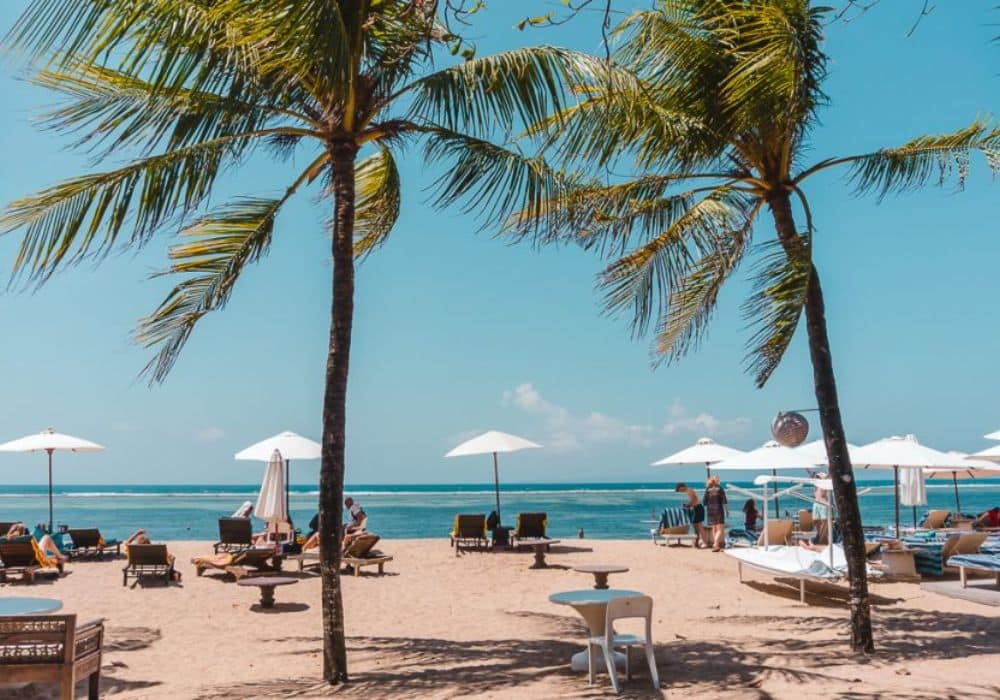
Dreaming of palm-fringed beaches, magical temples, and delicious nasi goreng by the ocean? Welcome to Bali — Indonesia’s island of the gods. Whether you’re planning your first visit or returning for another dose of tropical bliss, this guide has everything you need to know before you go. From weather and visa rules to safety tips and top attractions, we’ve got you covered.
Before You Go: Travel Essentials
Visa and Passport: Most travellers can get a 30-day Visa on Arrival (VOA), extendable for another 30 days. Your passport must be valid for at least six months from your arrival date. Always check the latest visa information on theofficial Indonesian immigration website before booking your trip.
Travel Insurance: Never skip travel insurance. Medical costs in Bali can be pricey, and good insurance should cover medical emergencies, accidents, cancellations, and lost luggage.
Health and Safety: Avoid “Bali Belly” by sticking to bottled or filtered water. Be cautious with street food — choose busy stalls with high turnover. Bring a small first-aid kit and hand sanitiser. If you’re visiting rural or jungle areas, pack mosquito repellent.
Money and Payments: The local currency is the Indonesian Rupiah (IDR). Cash is still king, but ATMs are easy to find. Many cafes, hotels, and shops accept cards, though small markets and drivers may prefer cash. Notify your bank before travelling to avoid card issues.
When to Visit Bali
Bali’s tropical weather means it’s warm year-round, but there are two distinct seasons:
Dry season (April–October): Sunny, low humidity, and perfect for beaches and outdoor activities.
Wet season (November–March): Expect short, heavy showers, but fewer crowds and lush green landscapes.
The best time for most travellers is between May and September, when days are dry and warm but not too humid.
Getting There and Around
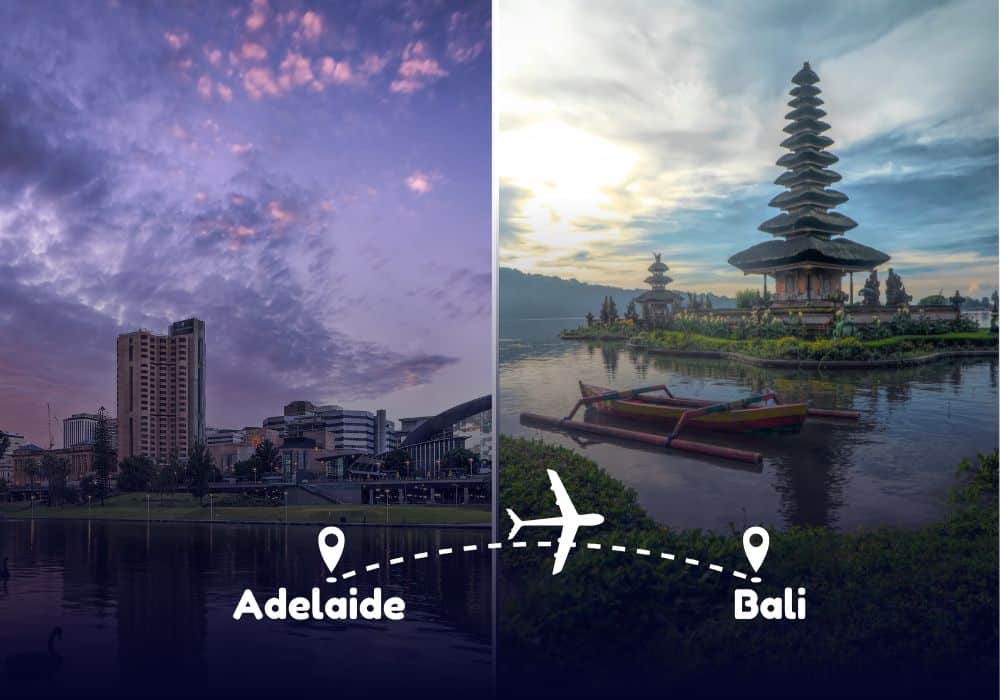
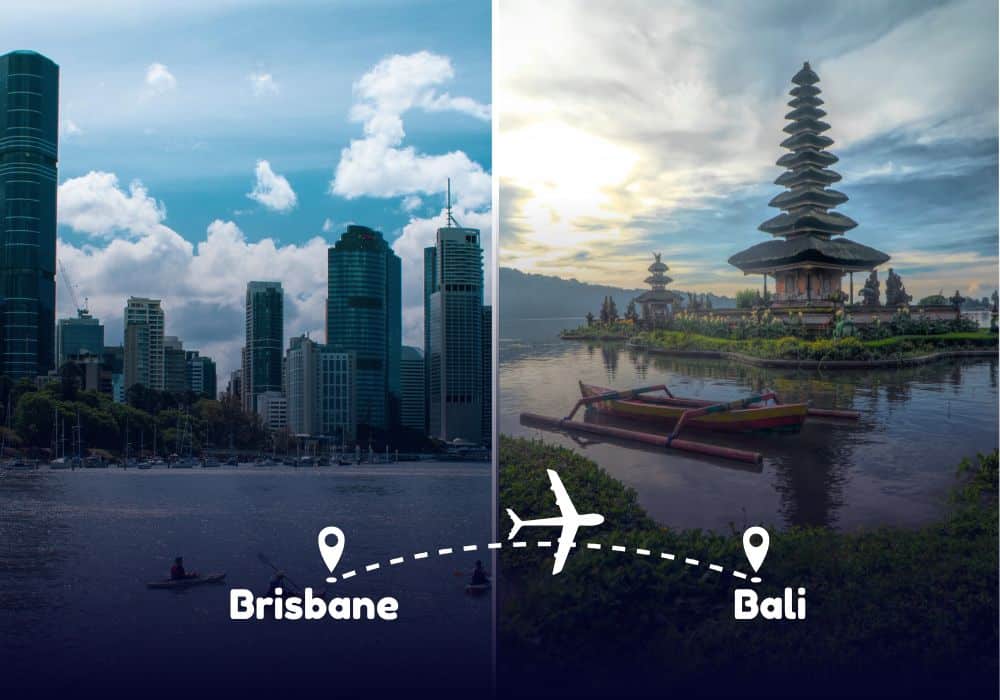
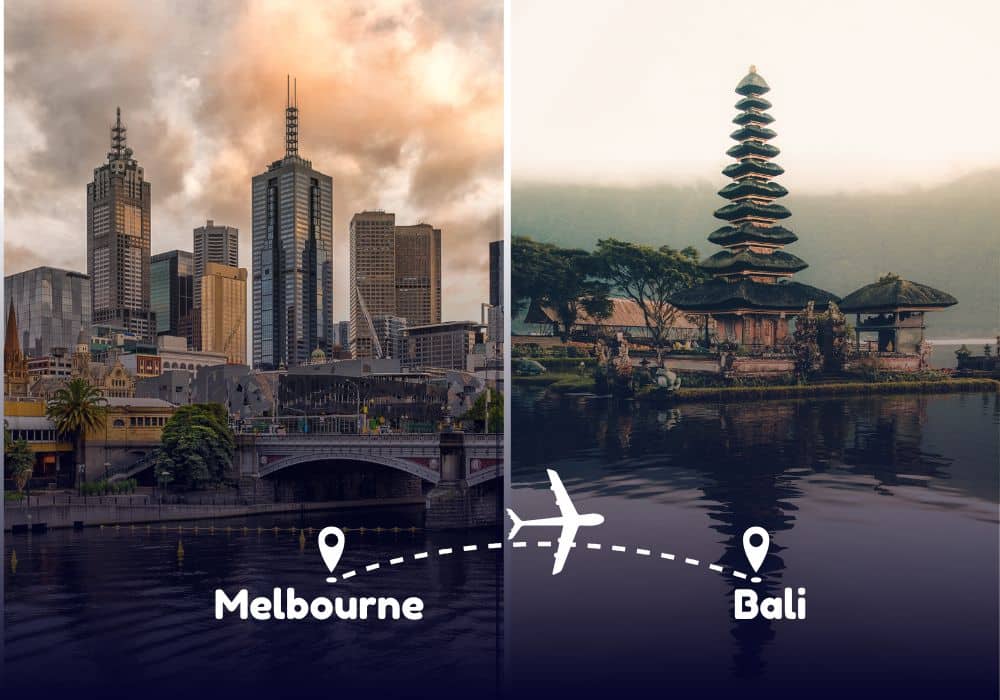
Flights: Ngurah Rai International Airport (Denpasar) is Bali’s main airport. From Australia, direct flights operate from Brisbane, Sydney, and Melbourne year-round. To simplify your travel planning, Airways Travel helps you find the best flight options and deals for your Bali escape — so you can focus on the fun part, not the flight search.
Transport in Bali: Bali isn’t huge, but traffic can be slow. For flexibility, hire a private driver for day trips — it’s affordable and comfortable. Ride-sharing apps like Grab and Gojek are great for short distances.
If you’re confident on two wheels, rent a scooter, but always wear a helmet and ensure you have an international licence. Public transport exists but is limited, so most visitors rely on private options.
Top Places to Visit in Bali
Ubud: The island’s cultural heart. Wander through rice terraces, visit the Monkey Forest, or try a yoga class. Don’t miss Tegallalang Rice Terrace and Tirta Empul Temple.
Canggu: Cool, laid-back, and full of trendy cafés. Great for surfers, digital nomads, and brunch lovers. Sunset at Echo Beach is a must.
Seminyak: Known for stylish resorts, shopping, and beach clubs. It’s lively but still offers relaxing corners for couples and families.
Uluwatu: Perched on dramatic cliffs, Uluwatu is perfect for surfers and those chasing ocean views. Visit Uluwatu Temple for the Kecak fire dance at sunset.
Nusa Dua: Luxury resort central. Calm beaches and family-friendly vibes make it ideal for a quiet getaway.
Sanur: Old-school charm meets peaceful beaches. A great base for visiting nearby islands like Nusa Lembongan.
The North & East: Lovina is famous for dolphin watching, while Amed and Tulamben attract divers. If you want fewer crowds, this side of Bali is your spot.
What to Eat and Drink
Balinese cuisine is flavour-packed and full of surprises. Don’t miss:
Nasi Goreng (fried rice)
Mie Goreng (fried noodles)
Satay (grilled meat skewers)
Babi Guling (suckling pig, a local specialty)
Fresh juices and smoothies
Avoid drinking tap water and be cautious with ice unless you’re in reputable establishments. For adventurous eaters, Bali’s street food is legendary — just make sure it’s freshly cooked.
Respect the Culture
Bali is deeply spiritual. You’ll see daily offerings (canang sari) outside homes and shops. Always:
Dress modestly in temples (cover shoulders and knees).
Remove shoes before entering homes or temples.
Never touch someone’s head — it’s considered sacred.
Be polite when taking photos of locals — always ask first.
What to Pack
Keep it simple and light. Bring cotton clothes, swimwear, sunscreen, and a hat. If you’re visiting during the wet season, pack a light rain jacket.
A sarong or scarf is useful for visiting temples, and comfortable shoes or sandals are great for exploring. Don’t forget insect repellent, adaptor plugs (Type C or F), and a reusable water bottle to stay hydrated.
A small waterproof pouch also helps keep your phone and valuables safe during beach or boat days.
Accommodation Options
Bali has something for every budget:
Luxury resorts: Nusa Dua, Seminyak, Uluwatu
Mid-range villas: Ubud and Canggu
Budget stays and homestays: Found across the island
Booking early in the dry season is wise — hotels fill up fast. Many villas include private pools, local breakfasts, and even personal chefs at surprisingly reasonable rates.
Sample Itinerary
1 Week in Bali:
Day 1–3: Ubud for temples, rice terraces, and culture
Day 4–5: Canggu or Seminyak for beaches and cafés
Day 6–7: Uluwatu for cliff views and sunset shows
2 Weeks in Bali: Add Sanur or Nusa Lembongan for island hopping, snorkelling, and more beach time.
Safety Tips
Traffic can be chaotic — drive carefully or hire a professional driver.
Watch ocean currents before swimming.
Keep valuables secure, especially in crowded areas.
Avoid cheap alcohol — stick to reputable bars.
Stay updated on local weather or volcano alerts through trusted sources.
Quick Travel Facts
Language: Bahasa Indonesia (English widely spoken)
Currency: Indonesian Rupiah (IDR)
Time Zone: UTC+8
Plug Type: C or F (220V)
Emergency Number: 112
Check the Best flight Deals from Australia to Bali:
Bali is a tropical gem that truly offers something for everyone — from spiritual seekers to sun-chasers. With its stunning landscapes, friendly locals, and endless adventures, it’s easy to see why so many travellers fall in love with this island.
Before you set off, plan well, travel responsibly, and stay respectful of the culture — that’s the key to an unforgettable Bali experience.
Q: What should I avoid doing in Bali? A: Avoid touching people’s heads (it’s considered disrespectful), pointing with your feet, or entering temples without proper attire. Also, don’t litter — Balinese locals take great pride in keeping their island beautiful.
Q: How much should I tip in Bali? A: Tipping isn’t mandatory but is appreciated. Around 5–10% of your bill is a nice gesture at restaurants or for drivers and guides.
Q: Do I need travel insurance for Bali? A: Yes, absolutely. Medical costs can be high for tourists, and travel insurance gives you peace of mind if something unexpected happens.
Q: Is it safe to eat street food in Bali? A: Generally yes — if it’s freshly cooked and busy with locals, it’s usually fine. Just avoid pre-cooked or uncovered food, and always wash or sanitise your hands first.
Q: Can I use Australian dollars in Bali? A: No, the local currency is the Indonesian Rupiah (IDR). You can easily exchange AUD at authorised money changers or withdraw from ATMs once you arrive.
Travel smart and get ready to experience Bali’s magic. With Airways Travel, your dream getaway starts here — smooth, affordable, and unforgettable. Contact us today to plan your trip!