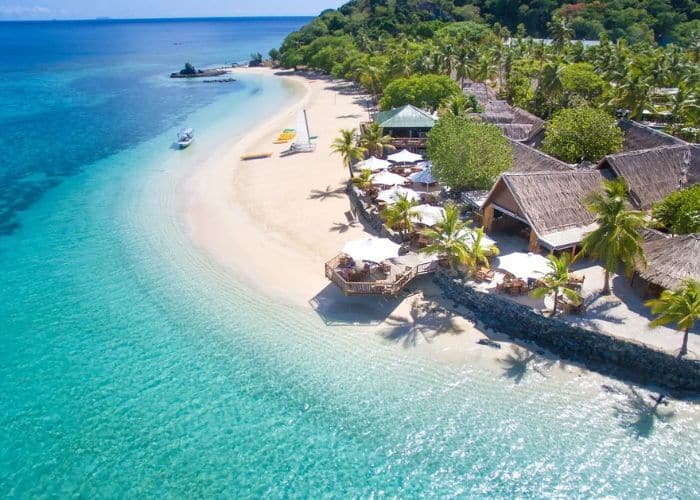
What Awaits You in Fiji: Travel Essentials, Weather & Must-Visit Islands
Fiji, a South Pacific paradise of over 330 islands, offers more than just pristine beaches. From vibrant coral reefs to lush rainforests and traditional villages, it’s a destination that caters to adventure seekers, relaxation lovers, and cultural explorers alike.
This guide covers everything you need to know before your trip, including travel essentials, weather tips, and the must-visit islands to make your Fiji journey unforgettable.

Travel Essentials for Fiji
Planning your trip starts with packing the right essentials. A valid passport with at least six months’ validity is a must. Depending on your nationality, you may need a visa, and it’s wise to have travel insurance for peace of mind. Carry both digital and physical copies of all important documents.
Money matters in Fiji, too. Keep some Fijian dollars (FJD) handy for small purchases, while credit cards work for hotels, resorts, and larger expenses. Light and breathable clothing is essential for Fiji’s tropical climate, with swimwear, hats, and sunglasses being everyday items. For evenings or cultural visits, long pants and modest tops are recommended.
Health and safety should never be overlooked. High SPF sunscreen, insect repellent, and a basic first-aid kit will keep you protected. Bring any personal prescriptions and consider a refillable water bottle to stay hydrated. Electronics like phones and cameras are important for capturing memories, and don’t forget a travel adapter for Fiji’s Type I power outlets.
Best Time to Visit and Weather Insights
Fiji has two main seasons: dry and wet. The dry season runs from May to October, offering sunny days, low humidity, and ideal conditions for outdoor activities such as snorkeling, hiking, and island hopping. It’s also the peak tourist season, so prices for flights and accommodation tend to be higher.
The wet season, from November to April, brings warmer temperatures, higher humidity, and occasional tropical storms. Rain showers are usually brief, and this is the low season for tourists, meaning you can often find better deals on flights and resorts. If you’re planning a budget-friendly trip, the shoulder months of May or October may be perfect to enjoy pleasant weather without the peak crowds.
Must-Visit Islands in Fiji
Fiji’s islands are diverse, each offering unique experiences. Viti Levu is the largest island and home to Suva, the capital. It’s perfect for families and travellers seeking urban amenities, cultural experiences, and accessible resorts along the Coral Coast.
Mamanuca Islands are famous for their white-sand beaches and world-class surf breaks. They’re ideal for both relaxation and water sports. Yasawa Islands, slightly more remote, provide serene landscapes and quiet beaches for travellers seeking isolation.
Kadavu Island appeals to adventurers looking for less touristy experiences. Its reefs, rainforest trails, and traditional villages make it a hidden gem for exploration. Taveuni Island, known as the “Garden Island,” is a hotspot for divers and hikers, with lush forests, waterfalls, and coral-rich waters to explore.
Other unique destinations include Beqa Island, renowned for its firewalking tradition and bull shark dives, and Vanua Levu, which offers charming towns like Savusavu and opportunities for scuba diving and laidback island life.
Accommodations and Experiences
Fiji offers a wide range of stays. Large resorts on Denarau Island are perfect for those seeking luxury, with pools, bars, and easy beach access. Smaller resorts and homestays provide a more authentic Fijian experience, often decorated with local art and offering guided trips to nearby villages. Guests may even be invited to traditional kava ceremonies, a national ritual that’s both fun and culturally immersive.
Airways Travel is here to help you plan your Fiji trip with expert advice and travel options, ensuring your journey balances comfort, convenience, and memorable experiences from the moment you arrive.
Getting Around the Islands
Transportation in Fiji is simple but varies by island. On Viti Levu, buses and taxis are affordable and convenient for travelling between Nadi and Suva. Public buses are cheaper but stop frequently and may lack air conditioning.
Taxis are metered and widely available in larger towns. For smaller or remote islands, boats, ferries, and domestic flights are the main modes of transport.
Cultural Etiquette and Local Tips
Fijians are known for their warmth and hospitality, often greeting visitors with a hearty “Bula!” Simple phrases like “Vinaka” for thank you and “Moce” for goodbye go a long way.
When visiting villages, it’s customary to bring a sevusevu, a small gift, typically yaqona (kava) root, which is shared in a traditional ceremony. Dress modestly with covered shoulders and knees, and avoid wearing hats or sunglasses indoors. Following these simple rules shows respect and often earns you a warmer welcome.
Rugby is Fiji’s favourite sport, and watching a match can be a fun way to connect with locals. It’s also a great conversation starter if you’re exploring communities off the tourist path.
Safety Tips for Fiji
While Fiji is generally safe, caution is advised in cities after dark. Keep valuables out of sight and remain aware of your surroundings. Tap water is safe in Suva, but bottled or filtered water is recommended elsewhere. Avoid swimming alone in remote areas and be mindful of strong currents, especially around coral reefs.
For emergencies, dial 911 for police services on the major islands. On outer islands, seek assistance from local village heads or your accommodation. It’s also wise to carry a basic first-aid kit and travel insurance in case of minor injuries or unexpected incidents.
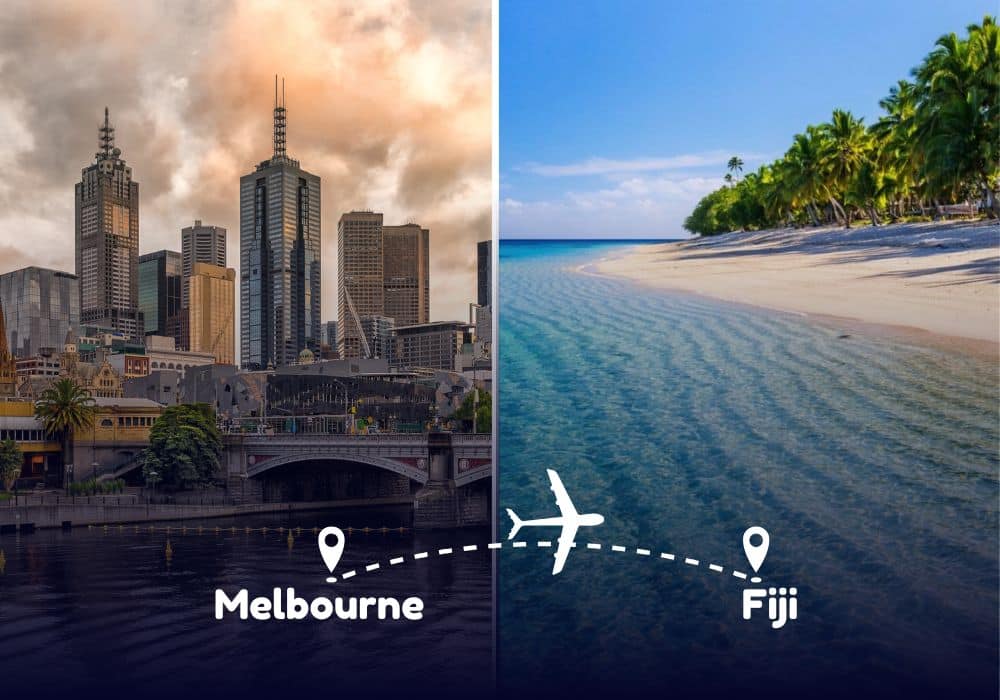
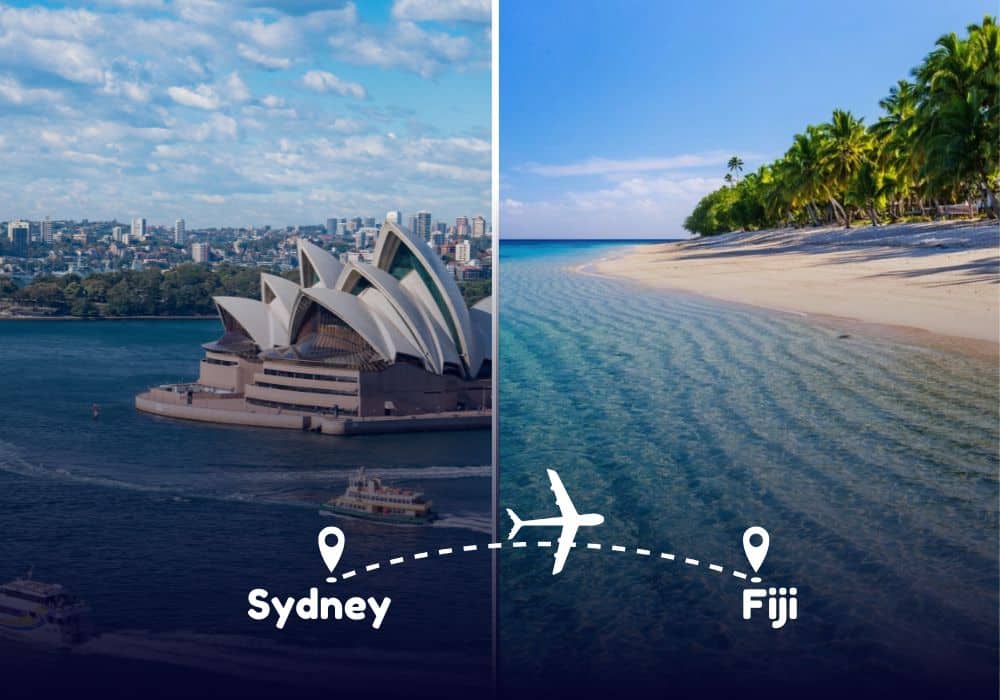
Check the Best flight Deals from Australia to Fiji:
Final Thoughts
Fiji offers a unique mix of relaxation, adventure, and cultural immersion. From planning your travel essentials to choosing the right islands and understanding local customs, preparation is key to making the most of your trip.
Whether you’re hiking through Taveuni’s lush rainforests, surfing the waves of the Mamanucas, or joining a village kava ceremony, Fiji promises memories that will last a lifetime. With the right planning and guidance, your journey to this South Pacific paradise can be smooth, safe, and unforgettable.

FAQ
Q: Do I need a visa to visit Fiji from Australia?
A: Australians typically do not need a visa for short stays up to four months, but always check the official Smartraveller website before travel.
Q: Which season is best for water activities in Fiji?
A: The dry season (May–October) is ideal for snorkeling, diving, and surfing due to calm seas and low rainfall.
Q: Can I drink tap water in Fiji?
A: Tap water is usually safe in Suva, but elsewhere, bottled or filtered water is recommended to avoid stomach issues.
Q: How long should I stay in Fiji to see the main attractions?
A: A minimum of a week is recommended to explore a few islands without feeling rushed. Two weeks or more allows for island hopping and cultural experiences.
Q: What should I wear when visiting villages in Fiji?
A: Modest clothing is essential. Cover shoulders and knees, remove hats and sunglasses, and carry backpacks in front of you when entering homes or communal spaces.
Q: Are there family-friendly islands in Fiji?
A: Yes, Viti Levu and Denarau Island offer family-friendly resorts and easy access to beaches, while the Yasawas and Mamanucas provide calmer spots for older children and teens.
Make your Fiji trip unforgettable with Airways Travel. Discover the best islands, travel tips, and ideal times to go for a smooth, memorable adventure. Contact us to start planning your perfect Fijian getaway today.