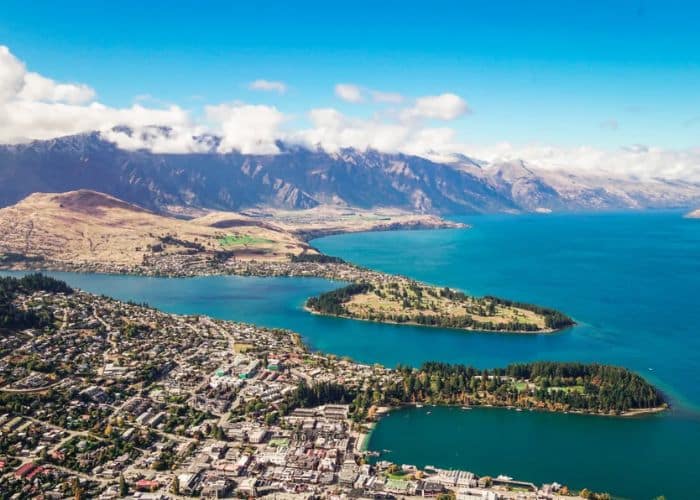
New Zealand feels unreal in the best way. Snowy peaks, quiet beaches, and lakes so clear they look edited. Everything is close, and every corner feels like a postcard.
This guide gives you all the details you need — entry rules, seasons, transport, costs, food, safety, culture, and the best places to visit. Simple, clear, and easy to follow. Have a look through, take what you need, and enjoy the charm of a country where even the weather has personality.
Before You Fly: Entry Rules & Prep
New Zealand keeps things fairly simple, but it’s always best to sort these out early. Your passport must be valid for your stay. Some visitors need a New Zealand Electronic Travel Authority (NZeTA) and an International Visitor Conservation and Tourism Levy (IVL).
According to Immigration New Zealand, these help support border security and protect natural areas. If you hold an Australian passport, you don’t need a visa or NZeTA for tourism. If not, check your nationality requirements on the official Immigration New Zealand website.
Travel insurance is strongly recommended. Medical care is excellent, but emergency services, rescues, or after-hours clinics can be expensive for visitors.
When to Visit: Seasons That Suit Your Style
New Zealand weather has personality. It changes quickly and doesn’t apologise for it. Choose your season based on what you love, not what the forecast promises.
Summer (Dec–Feb): Warm days, long sunsets, packed beaches, and busy attractions. Ideal for road trips, hikes, and water activities.
Autumn (Mar–May): Cooler but comfortable. Beautiful foliage. Fewer crowds. Great for people who like peace and decent prices.
Winter (Jun–Aug): Perfect for skiing, snowboarding, and hot pools. Queenstown and Wanaka come alive.
Spring (Sep–Nov): Green hills, flowers, and baby lambs everywhere. Rafting and adventure sports pick up again.
Tourism New Zealand reports that in strong tourism years, arrivals can exceed 3.9 million international visitors, especially in summer. Plan ahead if you’re travelling in peak months.
Getting Around: The Fun Starts on the Road
Driving is the most popular way to explore. And honestly, almost every route feels like a scenic postcard. New Zealand drives on the left, and many roads are narrow or twisty, especially in rural areas. Take it slow. The scenery is worth it.
Campervans are a favourite for travellers who want freedom. They can get pricey in summer, and campsites fill fast. Public transport works well in cities but can be limited outside them. Long-distance buses are available but don’t reach every remote spot.
The ferry between Wellington and Picton connects the North and South Islands. It takes about three hours and is often called one of the world’s most scenic ferry rides. Domestic flights are common as well. Air New Zealand runs reliable routes between all major regions.
Where to Go: The North & South Island Highlights
North Island
Warm beaches. Volcanic landscapes. Māori culture. Modern cities. It’s a diverse mix.
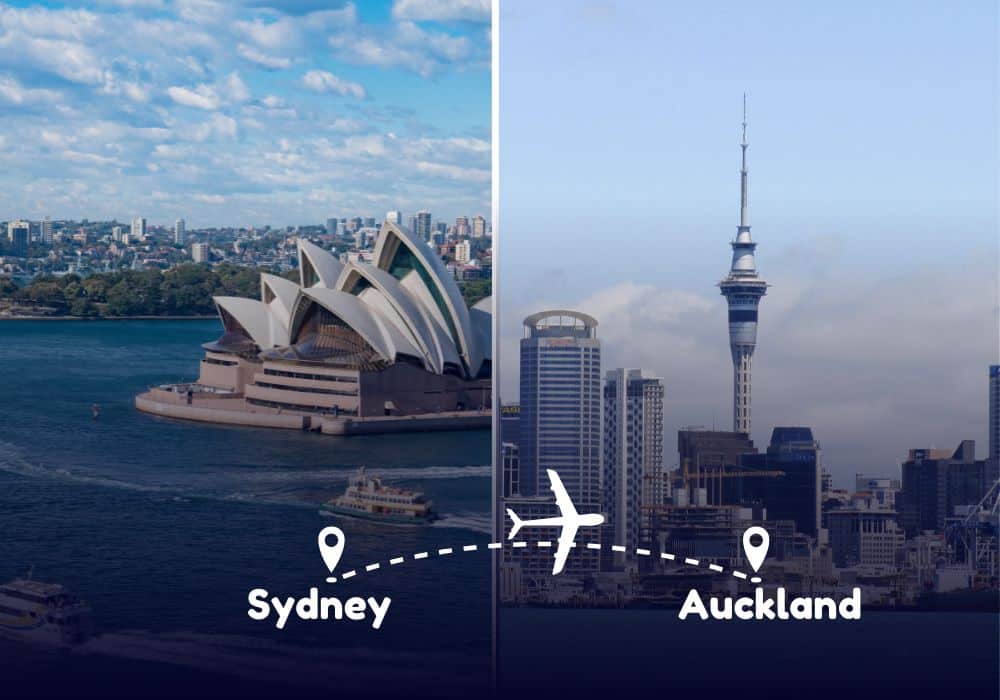
Auckland: Food markets, islands, beaches, and a very pretty harbour.
Rotorua: Geothermal wonders, bubbling mud pools, and meaningful cultural experiences.
Taupō: Lake views, waterfalls, skydiving, and the famous Tongariro Alpine Crossing.
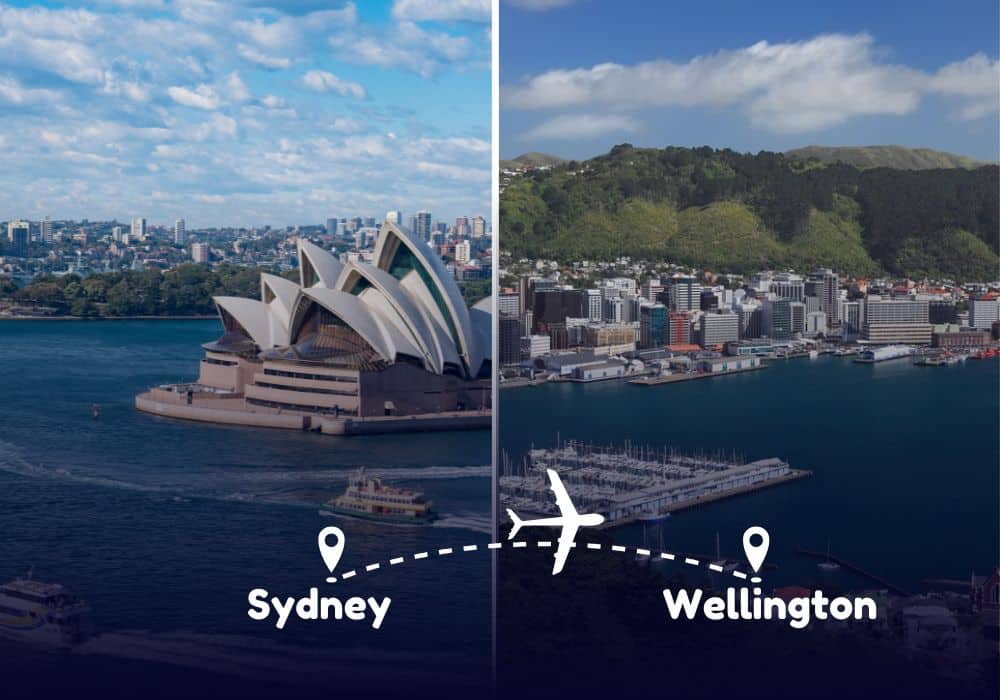
Wellington: Small, creative, full of cafés, and home to Te Papa — the national museum.
South Island
Mountains. Fjords. Wine regions. Wildlife. Everything feels dramatic and untouched.
Queenstown: Adventure capital. Ski slopes in winter. Thrill activities all year.
Milford Sound: Towering cliffs, waterfalls, and moody landscapes. A cruise here is unforgettable.
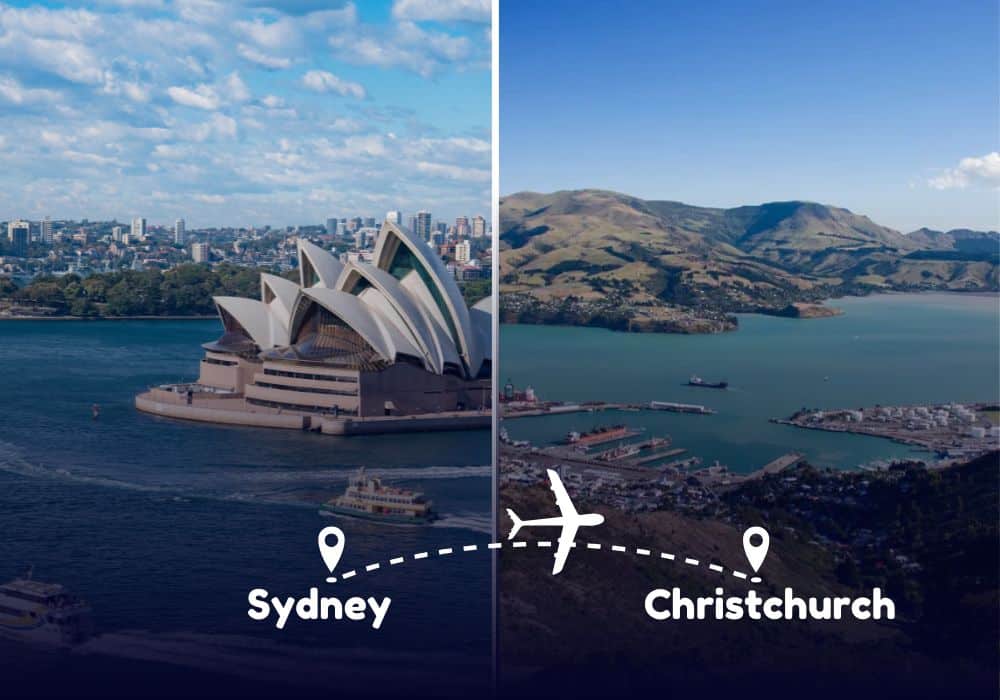
Christchurch: Green spaces, street art, and great food.
Wanaka: Quieter than Queenstown with equally stunning scenery.
Kaikōura: Whales, dolphins, and seals. A dream for wildlife lovers.
West Coast: Remote, rugged, and home to Franz Josef and Fox Glaciers.
Packing Guide: Keep It Light, Keep It Smart
New Zealand weather does whatever it wants. Pack things that help you adapt. Essentials include:
A waterproof jacket
Lightweight layers
Comfortable walking shoes
Sunscreen (the sun here is very strong)
Sunglasses and a hat
Insect repellent for sandfly zones
A day pack for hikes
A reusable water bottle helps too — tap water is safe almost everywhere.
What Things Cost: A Realistic Budget Overview
New Zealand is not the cheapest destination, but you can travel affordably with smart planning.
Typical costs:
Café breakfast: NZD $15–$25
Standard restaurant mains: $25–$45
Hostel bed: $30–$50
Mid-range hotel: $150–$250
Holiday park/campsite: $20–$60
Tours and activities vary widely. Jet-boating, glacier hikes, or scenic flights can hit NZD $200+, while many hikes and walks are free. Tourism Industry Aotearoa confirms that food and accommodation remain the biggest spending areas for visitors.
Nature, Wildlife & Safety Tips
New Zealand is known for safe hiking trails and protected wildlife. But it’s still the outdoors, and a bit of caution helps. Check weather conditions before hiking. Use the Department of Conservation (DOC) website for track updates.
Take warm clothing even on sunny days — alpine areas can change fast. Let someone know if you’re doing a long hike. Stay on marked tracks to protect the environment and yourself. Wildlife is a highlight too. Expect penguins, dolphins, glowworms, seals, and more. Keep a respectful distance and follow all guidelines.
Culture & Respect: Aotearoa’s Heart
Māori culture is woven into everyday life. You’ll hear te reo Māori, see carvings, and experience warm hospitality during cultural visits.
Be respectful at sacred sites, known as wāhi tapu, and follow instructions during tours. Locals value manners, patience, and a friendly approach. Tipping is optional but appreciated for great service.
Food & Drinks Worth Trying
Fresh seafood is everywhere — green-lipped mussels, crayfish, and pāua are common favourites. Farmers markets are full of fresh produce. Urban areas have fantastic cafés and bakeries.
If you have a sweet tooth, grab a scoop of hokey pokey ice cream. Wine lovers will enjoy Marlborough’s Sauvignon Blancs and Central Otago’s Pinot Noir. Vineyard tours are easy to book.
A Quick Note About Us
At Airways Travel, we know planning a big trip can feel messy — visas, weather, transport, costs, and routes all flying around your head at once. We’re here to make things easier with clear guidance and friendly support. Whether you’re sorting flights, organising group travel, or even comparing Sydney to Samoa flights for your next escape, we’ve got your back so you can enjoy your journey without the stress.
We also provide tips on the best local experiences, must-see destinations, and seasonal travel advice. Our goal is to help you plan a smooth, memorable, and hassle-free trip to New Zealand, so you can focus on the fun part — exploring.
Check the Best flight Deals from Australia to New Zealand:
New Zealand is a land of stunning landscapes, rich culture, and unforgettable experiences. From the snow-capped peaks of the South Island to the vibrant cities and beaches of the North Island, there is something for every type of traveller. With careful planning, a clear itinerary, and insights from reliable resources, your trip can be smooth, enjoyable, and truly memorable.
Q: Do Australians need anything to enter New Zealand? A: Australian passport holders can enter without a visa or NZeTA. Travellers on other passports should check requirements.
Q: What’s the best season for sightseeing? A: Summer is popular, but spring and autumn offer great weather and fewer crowds.
Q: Is driving safe for visitors? A: Yes. Just stay on the left, take curves slowly, and avoid rushing long distances.
Q: Is New Zealand costly? A: It can be. But cooking, choosing hostels, and booking early keeps things manageable.
Q: How long should a first trip be? A: Two weeks gives you a decent mix of both islands. A full month lets you explore properly.
Q: Is hiking safe for beginners? A: Most easy tracks are well-marked. Always check weather and pack warm layers.
Q: Can I drink tap water? A: Yes — in most towns and cities. It’s clean and safe.