Ramadan 2026: Expected Start Date and Moon Sighting Updates
The start of ramadan determine by the Islamic lunar calendar. This calendar follows the moon sighting, and every year Ramadan shifts earlier by about 10 to 11 days compared to the Gregorian calendar. This difference happens because the Islamic year is around 354 or 355 days long, which is about 10 to 12 days shorter than the solar year.
Expected Start Date of Ramadan in 2026
Based on current lunar cycle projections, Ramadan 2026 is expected to begin on the evening of Wednesday, 18 February 2026. The first full day of fasting is likely to fall on Thursday, 19 February 2026.
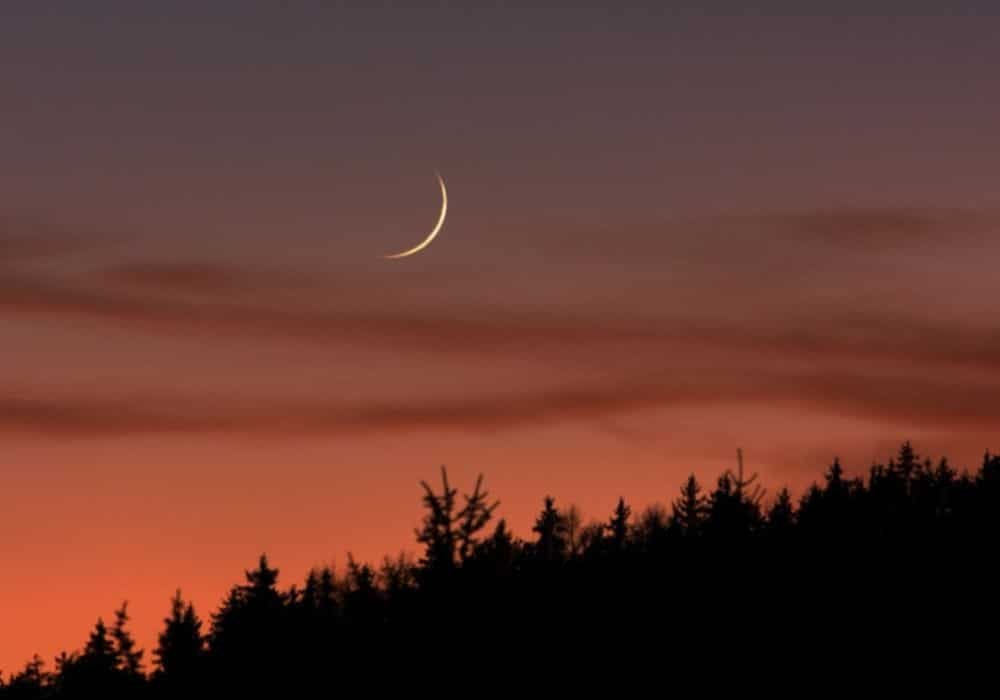
But the exact start date depends on the sighting of the crescent moon, known as the hilal. Islamic months begin when observers sight the new crescent shortly after sunset on the 29th day of the previous month, Sha’ban.
If people see the moon, Ramadan starts the next day. If they do not see it, Sha’ban completes 30 days, and Ramadan begins a day later.
Astronomical calculations can predict the moon’s position accurately. Scientists can determine the exact moment of the new moon, called the conjunction, years in advance. For February 2026, astronomers expect the new moon to occur around mid-February.
Even so, most Islamic authorities still require physical moon sighting. Before officially declaring the start of Ramadan, moon sighting is verified through testimony.
As a result, some countries may announce Ramadan on 16 February, while others may begin on 17 or even 18 February 2026, depending on local visibility of the moon.
Why the Ramadan Date May Vary
Ramadan does not start on the same Gregorian date each year because the Islamic calendar is purely lunar. Each month lasts either 29 or 30 days. A full lunar cycle takes about 29.53 days, which explains why months alternate in length.
Geographical Cause:
Geography also affects the moon sighting. The crescent becomes visible at different times depending on location, weather conditions, and horizon clarity. For example, countries in the Middle East may sight the moon earlier than parts of Europe or North America due to time zones and visibility differences.
Depending on the Other Country Declaration:
Some countries rely on official announcements from Saudi Arabia. The Saudi Supreme Court oversees moon sighting reports. Other countries use local committees or astronomical data. In North America, organisations such as the Islamic Society of North America publish expected dates based on calculations well before Ramadan begins.
These differences can lead to a one-day variation between countries, and sometimes even between communities within the same country. This variation is normal and has existed throughout Islamic history.
How the Ramadan Moon Sighting Works
A well-known hadith states that Muslims should begin fasting when they see the crescent and end fasting when they see the next crescent. That means, this method follows the practice established during the time of the Prophet Muhammad. Because of this, many religious authorities still prioritise physical sighting over calculations alone.
What Is the Crescent Moon?
The crescent, or hilal, appears shortly after the astronomical new moon. The new moon itself is invisible to the naked eye. It occurs when the sun and moon align. The visible crescent appears only after the moon moves slightly away from the sun and reflects light towards Earth. In practical terms, the moon usually needs to be at least 18 to 24 hours old before people can see it with the naked eye. Even then, visibility varies from one region to another.
Several factors affect visibility:
The moon’s age in hours after conjunction
The angle between the sun and the moon
Local weather conditions
Light pollution
The observer’s geographic location
Who Announces the Start of Ramadan?
Different countries follow different systems.
In Saudi Arabia, the Saudi Supreme Court announce the day after reviewing testimonies from moon sighting committees across the country. Many Muslim-majority countries follow this announcement.
In North America, the Islamic Society of North America uses astronomical calculations to publish a unified calendar in advance. At the same time, the Moonsighting Committee Worldwide collects and verifies sighting reports from multiple locations before making announcements.
In the UK, local scholars and national bodies review both calculations and sighting reports before declaring the start of the month.
Why Do Countries Differ?
Differences occur because scholars hold varying views on three main issues:
Relying solely on local sighting
Whether to accept global sightings
Whether to use astronomical calculations as the primary method
Time zones also matter. A crescent visible in one part of the world may not be visible in another on the same evening. As a result, some countries may begin Ramadan on one date while others begin a day later. This difference typically ranges from one day to a few days and rarely exceeds that.
Ramadan 2026 in Different Countries
The expected start date of Ramadan 2026 may vary by one day depending on local moon sighting decisions.
Below is what Muslims in different regions can expect.
Ramadan 2026 in the United Kingdom
In the UK, Ramadan 2026 is expected to begin on the evening of Sunday, 15 February 2026, with the first fast likely on Monday, 16 February 2026.
British Muslim organisations usually review both astronomical data and verified moon sighting reports before making an announcement. Because the UK lies further west than many Middle Eastern countries, the crescent may not always be visible on the same evening as in other regions.
The UK is home to over 3.9 million Muslims, according to the 2021 Census for England and Wales. That represents around 6.5 per cent of the population. With such a large and diverse Muslim community, different mosques may follow different scholarly opinions. As a result, a one-day variation within the country can sometimes occur.
Ramadan 2026 in the United States
In the United States, Ramadan 2026 is also projected to begin on the evening of 15 February 2026. The first day of fasting is expected to fall on 16 February 2026, subject to confirmation.
The Muslim population in the US is estimated at around 3.5 million people, making Islam one of the fastest-growing religions in the country. National organisations such as the Islamic Society of North America often publish calculated Islamic calendars months or even years in advance.
Ramadan 2026 in South Asia
In countries such as India, Pakistan, and Bangladesh, Ramadan 2026 is expected to begin around 18 February 2026. However, official confirmation will depend entirely on national moon sighting committees.
These countries follow formal moon sighting systems led by religious authorities. In Pakistan, for example, a central committee gathers testimonies from across the country before declaring the start of Ramadan. Weather conditions can strongly affect visibility, especially in areas with cloud cover.
South Asia has one of the largest Muslim populations in the world. India alone has over 200 million Muslims, making it one of the largest Muslim populations globally. Because of regional differences and independent moon sighting decisions, it is common for one country in the region to begin Ramadan a day earlier or later than its neighbour.
Ramadan 2026 Calendar
Ramadan lasts either 29 or 30 days. The final length depends on the sighting of the Shawwal crescent at the end of the month. If the crescent appears on the 29th evening of Ramadan, the following day becomes Eid al-Fitr. If not, Muslims complete 30 days of fasting.
Below is an estimated calendar for Ramadan 2026 based on current lunar projections. These dates remain subject to official moon sighting confirmation.
Ramadan 2026 Official Dates (Saudi Arabia)
Event
Confirmed/Expected Date
Ramadan Begins (Evening)
Tuesday, 17 February 2026
First Day of Fasting
Wednesday, 18 February 2026
27th Night (Laylat al-Qadr)
Sunday night, 15 March 2026
Last Day of Ramadan (29 Days)
Wednesday, 18 March 2026
Last Day of Ramadan (30 Days)
Thursday, 19 March 2026
Expected Eid al-Fitr
Friday, 20 March 2026
This seasonal shift affects daily routines, work productivity, sleep patterns, and prayer schedules. Shorter daylight hours can make fasting physically easier, but Muslims still observe the same spiritual commitment and discipline.
No. It will not come twice in 2026. The next Ramadan after 2026 will occur in early 2027.
What are some charity organisations to support during Ramadan 2026?
Here are some trusted charity organisations you can support during Ramadan 2026: Islamic Relief Worldwide, Muslim Aid, Minhaj Welfare Foundation, IDDEF, and Global Rahmah Foundation. These groups work on feeding the hungry, providing essentials to families in need, supporting orphans and vulnerable communities around the world
Why should I participate in Ramadan 2026 community service?
Participating in Ramadan 2026 community service can strengthen your faith, support vulnerable people, and build meaningful local connections. Ramadan is not only about fasting. It is also about service, compassion and social responsibility.