Cricket World Cup 2027: Host Country, Format and Full Schedule Explained
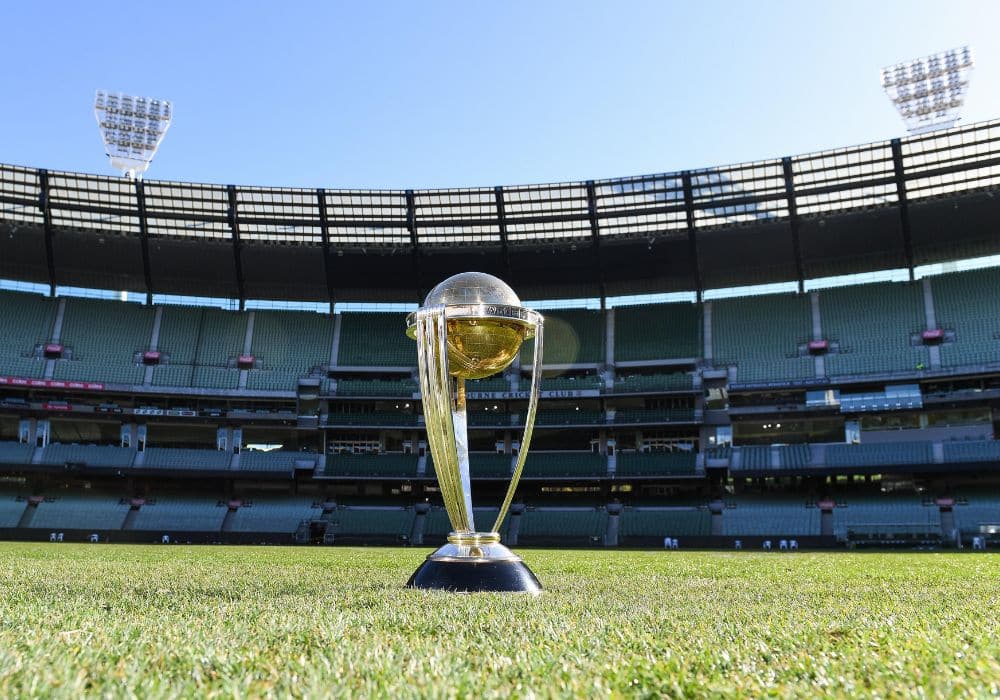
A 24-year wait for African cricket fans is finally over. In 2027, cricket’s biggest stage is heading to Southern Africa. This is the 14th edition of the ICC Men’s Cricket World Cup, which will be hosted across three nations: South Africa, Zimbabwe, and Namibia. Marking the first time the tournament returns to the African continent since 2003.
You may be planning to travel to a match, want to know your team’s qualification journey, or just want to know the basics before the tournament starts. This blog covers almost everything about the upcoming cricket World Cup. Host countries, venues, the full format explained simply, the schedule, and the teams most likely to lift the trophy on 13 November 2027 in what promises to be a historic final.
Host Countries for 2027 World Cup: South Africa, Zimbabwe and Namibia
This time, the edition breaks new ground: the Cricket World Cup heads back to Africa. ICC is spreading the load across three neighbours.
South Africa is The Anchor Host
With 44 out of the 54 matches scheduled in South Africa, it carries the bulk of the tournament. It is clearly the primary host nation. The country has hosted the World Cup once before, along with Zimbabwe and Kenya. South Africa’s cricket infrastructure is the strongest on the continent. It has world-class stadiums, established transport networks, and a long history of hosting major international sporting events.
South Africa qualifies automatically for the tournament as a host nation. Their ODI cricket history is strong too. They have reached the semi-finals of the World Cup on five occasions but have yet to make a final. May the home conditions in 2027 finally change that.
Zimbabwe Co-Host
Five matches are scheduled across two Zimbabwean cricket venues, Harare Sports Club and Queens Sports Club in Bulawayo. Both grounds have hosted international cricket for decades and carry genuine history.
Like South Africa, Zimbabwe qualifies automatically as a co-host. Their automatic entry into the tournament is significant. Zimbabwe’s ODI team has faced difficult periods over the past 20 years, including temporary ICC suspension and funding crises.
A home World Cup gives the nation a huge opportunity this year. It’s a chance for them to rebuild interest in the sport domestically and reconnect fans with international cricket.
Namibia Hosting for the First Time
The most remarkable part of this tournament is Namibia’s inclusion as a host. No country has ever made its World Cup hosting debut at the same time Namibia will in 2027. The country is not a full ICC Member. That means, unlike South Africa and Zimbabwe, Namibia does not receive automatic qualification for the tournament.
They must earn their spot through the standard qualification pathway. Five matches are scheduled at the Wanderers Cricket Ground in Windhoek, Namibia’s capital. The ground has hosted Associate-level cricket for years, but nothing close to this scale.
Namibia qualified for and competed in the 2003 World Cup, so they’re not total stranger on cricket’s biggest stage. If they manage to qualify again for 2027 while also acting as hosts, it would go down as one of the greatest stories in Associate cricket history.
Cricket World Cup 2027 Format Explained
The Cricket World Cup 2027 will feature 14 teams. Formerly, it was 10. This expansion brings back a structure that allows more nations to compete on the biggest stage in One Day International cricket.
More teams mean more matches and a greater chance for emerging cricket nations to test themselves against giants such as Bangladesh, India, Australia, England, Pakistan, South Africa, New Zealand, Sri Lanka, Afghanistan, and the West Indies, along with other strong contenders that qualify.
Teams will qualify through the ICC Cricket World Cup qualification pathway. This includes automatic qualification for top-ranked sides like India, Australia, England, New Zealand, South Africa, Pakistan, Bangladesh, and Sri Lanka, and additional spots decided through regional and global qualifying tournaments—giving opportunities to teams such as Afghanistan, the West Indies, Ireland, Scotland, Zimbabwe, Nepal, the Netherlands, and others depending on performance.
The final list of participating teams will be confirmed closer to the event.
Group Stage Format
The 14 teams will be divided into two groups of seven. Each team will play the other six teams in its group once. That means every side is guaranteed at least six matches in the group stage.
This format creates 42 group matches in total, with 21 matches per group. The top three teams from each group will move on to the next stage, known as the Super Six.
Compared to the 2019 and 2023 editions, which followed a single round robin format where all 10 teams played each other, the 2027 structure reduces the number of group games per team but increases overall participation.
Super Six Stage
The Super Six stage returns to the Cricket World Cup for the first time since 2007. Six teams will qualify from the group phase, three from each group.
In this stage, teams will not start from zero. They will carry forward points earned against the other qualifying teams from their original group. This rule rewards strong performances in the group stage and keeps every early match meaningful.
Each team will then play the three qualifiers from the opposite group. That adds three more matches per side. After these games, the top four teams in the Super Six table will advance to the semi-finals.
This structure increases competition and keeps the table tight. One defeat can significantly affect qualification chances.
Knockout Stage
The final phase consists of two semi-finals and a final. The top four teams from the Super Six will qualify for the semi-finals, where first plays fourth and second plays third.
The winners of those matches will meet in the final to decide the world champion.
In total, the tournament will feature 54 matches. This is higher than the 48 matches played in both 2019 and 2023. The expanded format, therefore, offers more cricket while keeping the knockout stage straightforward and easy to follow.
ICC Cricket World Cup 2027: Full Schedule Overview
Stage
Number of Teams
Matches
Expected Duration
Key Details
Group Stage
14 (2 groups of 7)
42
Approx. 4 weeks
Each team plays 6 matches. The top 3 from each group qualify.
Super Six
6
9
Approx. 10 to 12 days
Teams carry forward points earned against other qualifiers. Each team plays 3 matches.
Semi Finals
4
2
3 to 4 days
1st vs 4th and 2nd vs 3rd in Super Six standings.
Final
2
1
1 day (plus reserve day)
Winners of semi finals compete for the title.
Total
—
54
Approx. 6 weeks overall
Full tournament duration expected to be around 45 days.
To get the latest update about schedules, team updates, rule changes, qualification news and venue announcements, keep an eye on the official website of the International Cricket Council. This site posts news releases, match fixtures, official statements and event details as they are confirmed.
It shows the confirmed grounds in each host country. This includes official stadiums in South Africa, Zimbabwe and Namibia where matches will be played during the tournament scheduled in October and November 2027.
South Africa (8 Venues)
Johannesburg Wanderers Stadium (Major international ground with a capacity of around 34,000)
Pretoria Centurion Park / SuperSport Park (Key Test venue with about 22,000 seats)
Cape Town Newlands Cricket Ground (historic venue with a scenic backdrop)
Gqeberha St George’s Park (One of South Africa’s oldest cricket grounds)
Bloemfontein Mangaung Oval (Standard international ground)
East London Buffalo Park (Smaller but established venue)
Paarl Boland Park (Domestic and international host ground)
Zimbabwe (2 Venues) Zimbabwe will share hosting duties with staging a portion of the matches.
Harare Sports Club (traditional venue in the capital)
Bulawayo Queens Sports Club (historic ground used for Tests and ODIs)
Namibia (2 Venues) Namibia will host a number of matches in its capital.
Windhoek, Namibia Cricket Ground (a new international ground, opened ahead of the tournament)
Windhoek United Ground (a secondary cricket venue also set to stage matches)
The 2027 Cricket World Cup is shaping up to be the biggest and most significant edition in the tournament’s history. Three host nations, fourteen teams, a revamped format, and cricket returning to Africa after 24 years. Mark 8 October 2027 on your calendar. This one is worth following closely.