
The Best Way to Travel from Melbourne to Turkey: A Comprehensive Guide
Dreaming of the Grand Bazaar, stunning mosques, and mouth-watering Turkish delights? You’re not alone. Turkey is a top spot for Aussie travellers — and flying from Melbourne is one of the easiest ways to get there. But here’s the catch: with a long journey ahead, plenty of airline options, and a few travel tricks up for grabs, getting it right matters.
Let’s break down everything you need to know about flying from Melbourne to Turkey — especially if you’re aiming for comfort, efficiency, or just a good deal.
Getting to Turkey from Melbourne: What to Expect
You won’t find any direct flights from Melbourne (MEL) to Turkey — at least not yet. Most flights go through major hubs like Doha, Dubai, Abu Dhabi, or Singapore before continuing on to Istanbul or another Turkish city.
The most common arrival point in Turkey is Istanbul Airport (IST), which is massive, modern, and well-connected. Sabiha Gökçen Airport (SAW) on the Asian side of Istanbul is another option, mainly served by budget airlines.
Expect total travel time to range from 19 to 26 hours, depending on your layover. A long haul, yes, but with the right airline and stopover, it can be surprisingly manageable.
Airlines Flying from Melbourne to Turkey
1. Qatar Airways
Often one of the top-rated options. You’ll fly from Melbourne with a stop in Doha. They offer good service, comfy seats, and a solid entertainment system. Prices are on the higher side, but the quality makes up for it.
2. Emirates
Another favourite. Their flights stop in Dubai and head to either Istanbul or other cities in Turkey. They’re known for their in-flight meals, roomy economy cabins, and smooth airport transitions.
3. Turkish Airlines
While Turkish Airlines doesn’t currently fly directly from Melbourne, they often partner with other carriers to offer codeshare flights. Once you’re on a Turkish Airlines plane, you’ll enjoy generous baggage allowances and some of the best airline meals in the skies.
4. Etihad Airways
Stopover in Abu Dhabi, then onwards to Istanbul. They’re usually competitively priced and have decent onboard comfort.
5. Singapore Airlines
You’ll transfer in Singapore, one of the best airports in the world for a layover. Flights then continue with Singapore Airlines or their partners to Istanbul.
6. Budget Options
If you’re more focused on price than perks, look into airlines like Scoot or AirAsia for the leg to Asia, and then switch to Pegasus Airlines or SunExpress into Turkey. This route can save money but often adds time and hassle.
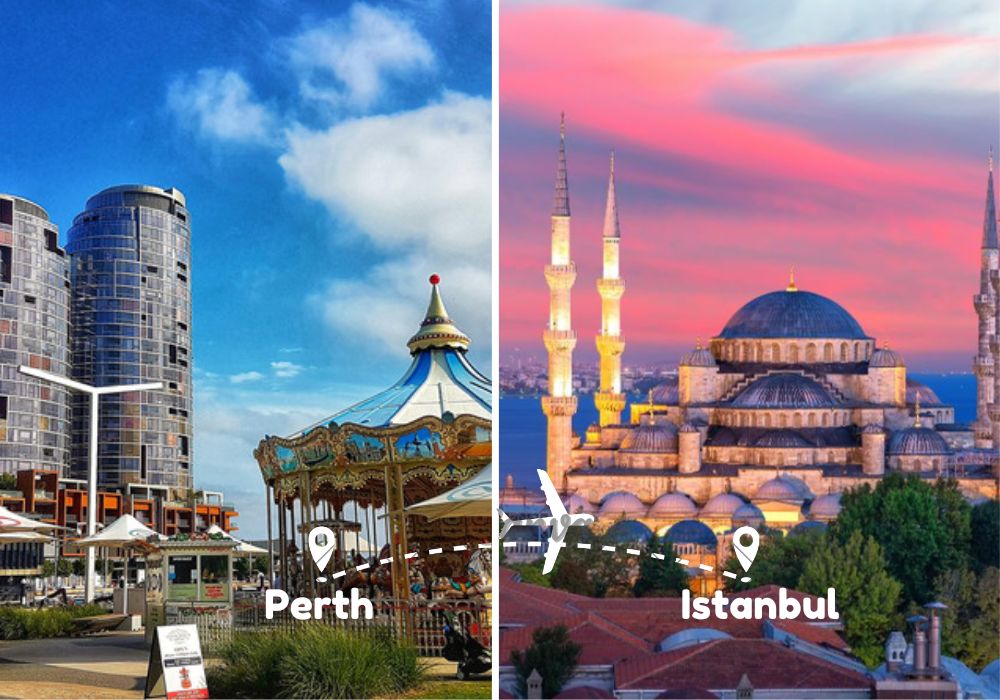
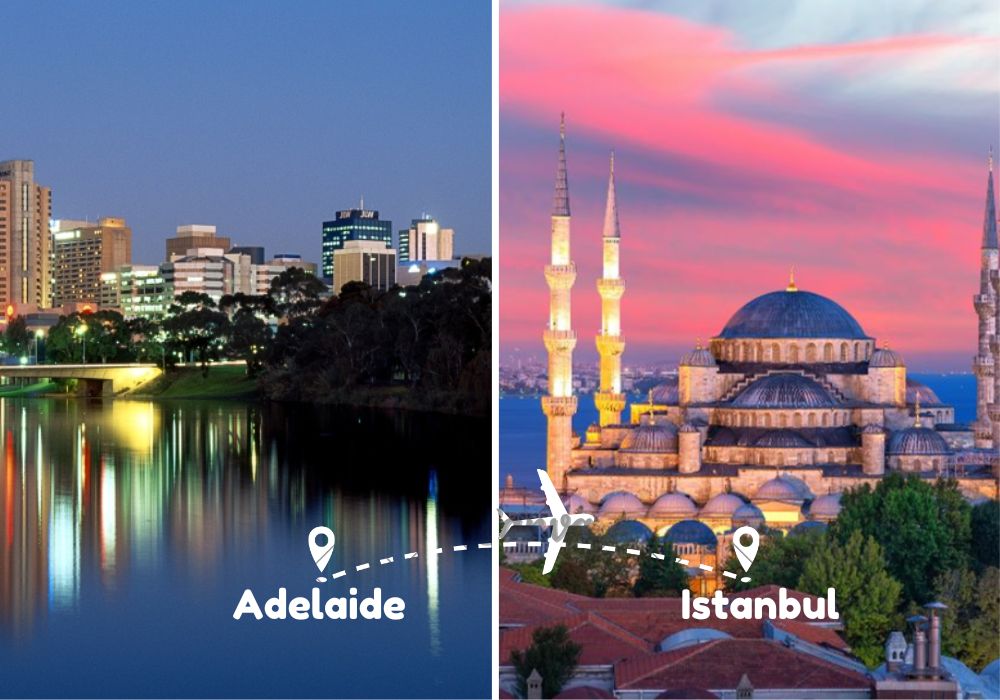
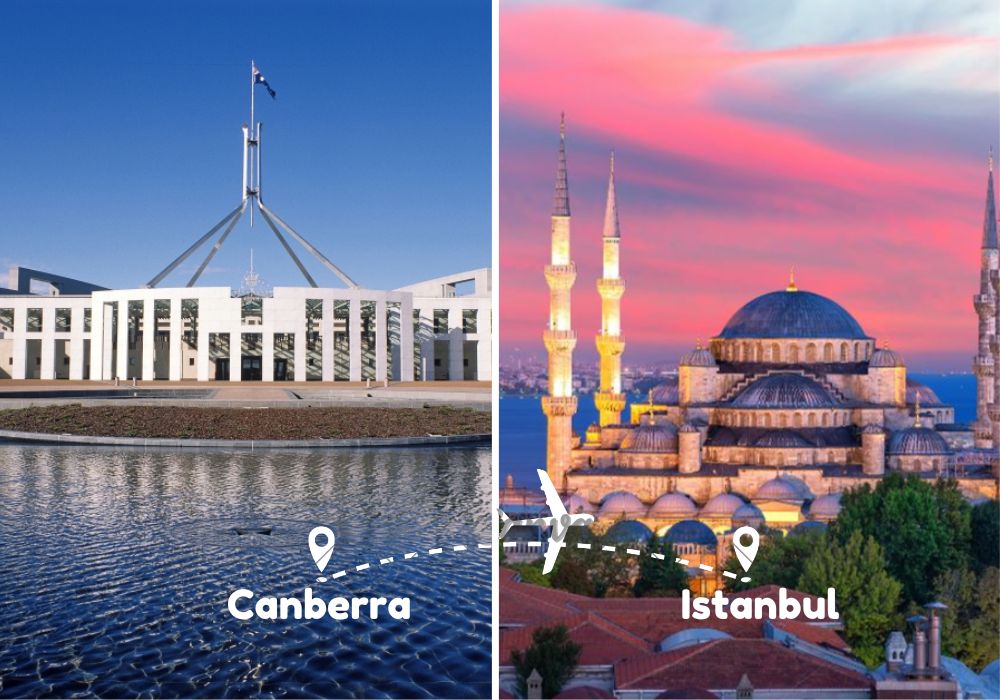
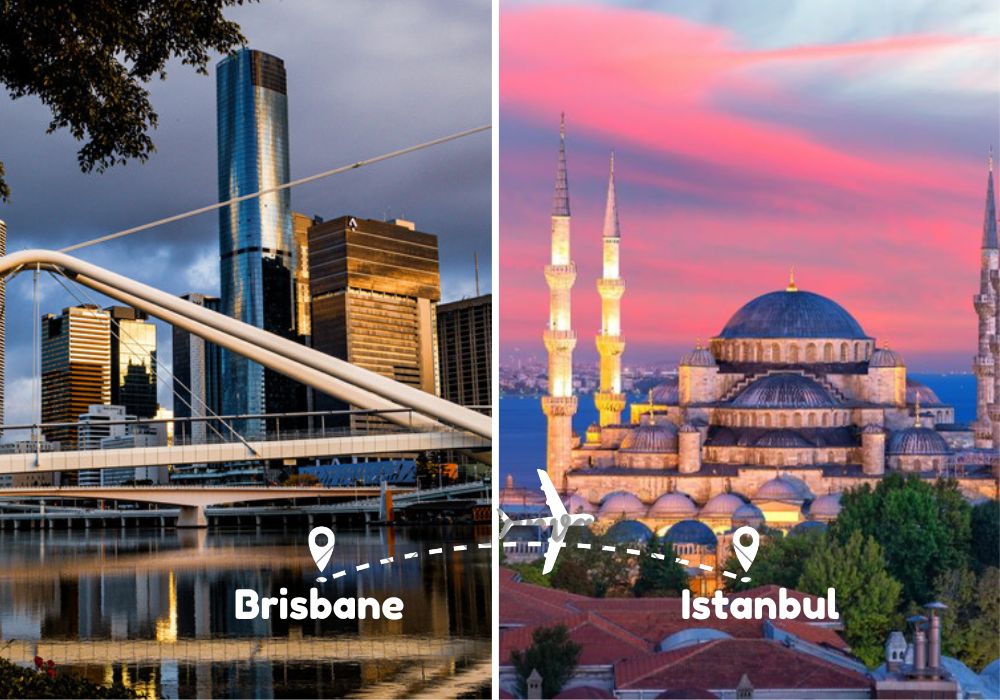
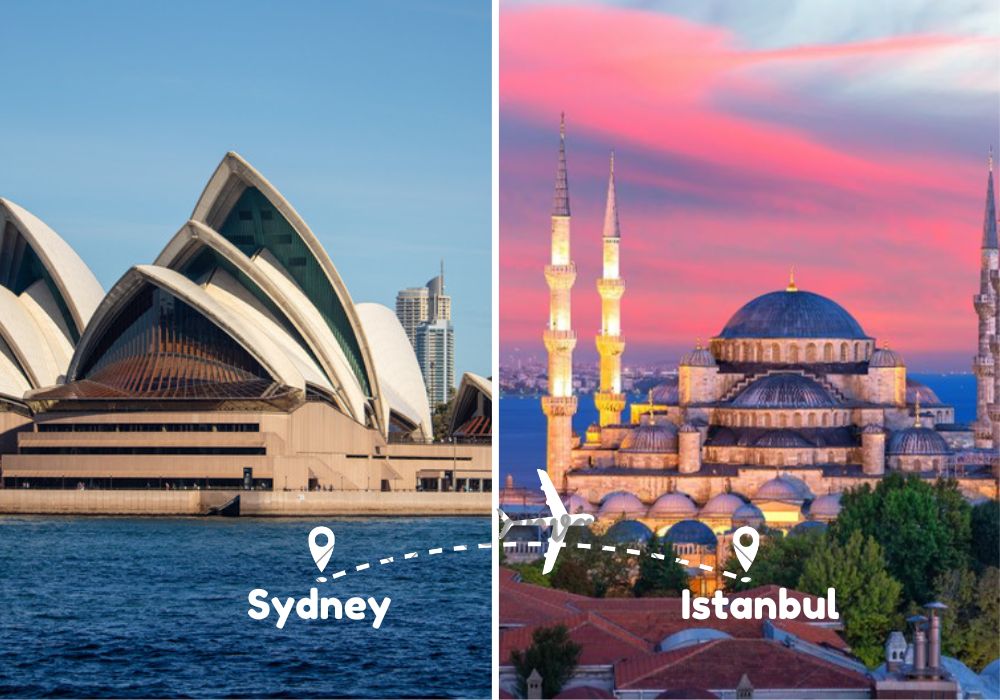
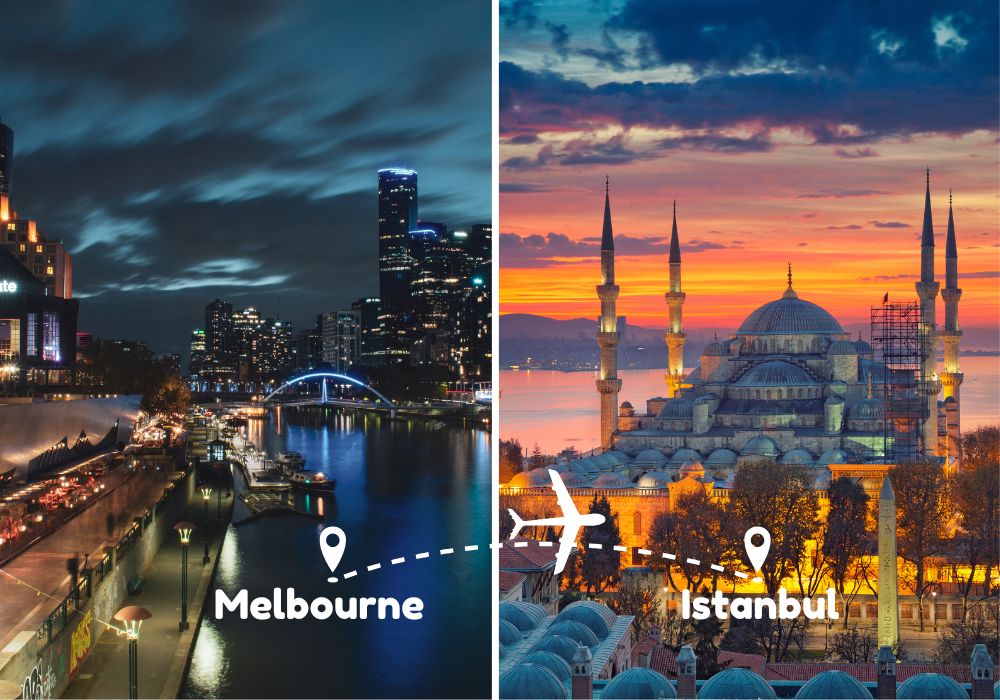
Famous Australia Locations to Turkey Flights
How Much Do Flights Cost?
Prices swing based on the time of year. Generally:
- Peak season (June–August, mid-December to January): $2,200–$3,000 AUD return
- Shoulder season (April–May, September–October): $1,600–$2,300 AUD return
- Low season (February–March, November): $1,200–$1,800 AUD return
If you’re flexible, set up flight alerts. Sometimes, sales or rare fare drops can save you hundreds.
Tips for Finding Cheap Flights
1. Use the Goldilocks Window
Book your flight around 2 to 4 months in advance. Not too early, not too late — just right.
2. Be Flexible with Dates
Flying mid-week often costs less than weekends. Tuesdays and Wednesdays are usually your best bet.
3. Try Nearby Airports
Flying out of Avalon (AVV) instead of Melbourne Tullamarine (MEL) can sometimes reduce the fare. Same goes for arriving in Turkey — if you’re planning to visit Cappadocia or Ephesus, consider flying into Ankara (ESB) or Izmir (ADB) and skipping Istanbul altogether.
4. Mix and Match Airlines
You don’t have to stick with one airline. Booking separate legs can cut costs, but be careful about tight connections — if one flight is delayed, the others might not wait.
5. Use Incognito Mode When Searching
Some websites sneakily raise prices if they see you’ve searched multiple times. Incognito browsing helps avoid this.
6. Consider Stopovers
A long layover in Singapore, Doha or Dubai might save you money — and give you a bonus city to explore. Some airlines even offer free hotel stays for long connections.
Arriving in Turkey: What Next?
Once you land in Istanbul or another Turkish city, your travel options are wide open. Here’s how to move around with ease.
Domestic Flights
Turkey is bigger than you might expect — about the size of Texas. So flying between cities is fast and affordable. Pegasus Airlines, Turkish Airlines, and AnadoluJet cover nearly every major route.
Intercity Buses and Dolmus
Turkey’s bus network is massive and surprisingly comfortable. If you’re headed somewhere without an airport, long-distance buses like Pamukkale or Kamil Koç are your best friend. For smaller towns, jump on a dolmuş — a shared minibus that runs once it’s full.
Trains
Trains in Turkey are slow and limited, but if you’ve got time, they can be a relaxing way to see the countryside. The high-speed line between Istanbul, Ankara and Eskişehir is a popular choice.
Car Rental
Want to explore rural villages or the coastline at your own pace? Hire a car. Roads are generally good, but driving in Istanbul can be a nightmare. Start your road trip after leaving the city.
Ferries and Boats
In Istanbul, ferries cross the Bosphorus every few minutes. They’re cheap and scenic. Outside the city, routes are limited but a few — like Bodrum to Datça — offer coastal charm.
Once you arrive in Turkey, especially in larger cities like Istanbul, Ankara, and Izmir, getting around is quite doable — though it can be a bit hectic at times. Public transport is cheap, frequent, and covers most areas. You’ll find metros, trams, buses, ferries, and even funiculars running up the steep hills in places like Istanbul.
If you’re staying in Istanbul for more than a day or two, grab an Istanbulkart. It’s a rechargeable transport card that works on nearly all forms of public transport, including ferries and buses. It’ll save you money and the hassle of buying single tickets every time.
Taxis are easy to find, but use them wisely — especially in Istanbul. Some drivers are lovely, others… not so much. There’s a reputation for overcharging tourists or taking the “scenic route.” Instead of hailing one off the street, use apps like BiTaksi or Uber (which actually just calls standard taxis in Turkey). These give you fare estimates and tracking, so you know you’re not being taken for a ride — literally.
In smaller towns, you’ll mostly rely on dolmuşes or minibuses. These shared vehicles run fixed routes but stop almost anywhere if you ask nicely. They’re cheap, crowded, and part of the Turkish travel charm.
Is Turkey Accessible for All Travellers?
Turkey is slowly becoming more accessible for travellers with mobility needs, but there’s still a long way to go. The newer airports, trains, metros, and trams often have ramps, elevators, and accessible toilets, which is a big help. Major airports like Istanbul and Ankara do fairly well in this area.
However, once you step outside the modern hubs, things get patchier. Footpaths can be uneven, cobbled, or blocked by street vendors and parked scooters. Signage isn’t always clear, and public transport may lack audio or visual aids. Smaller towns and historical sites may have lots of stairs and very little accommodation for people with mobility challenges.
If you have access needs, it’s worth planning your route in advance and allowing extra time to get from place to place. Calling ahead at hotels or transport stations to ask specific questions can also make your experience smoother. It’s definitely doable, but expect a few bumps along the way.
What About Cycling?
Cycling in Turkey is an experience — for better or worse. If you’re an experienced rider with a love for open roads and incredible scenery, it can be truly unforgettable. Areas like Cappadocia, the Aegean coast, and some rural parts of Eastern Turkey are especially beautiful on two wheels.
That said, cycling isn’t for everyone here. Turkish cities are not very bike-friendly. Most urban roads have no bike lanes, and drivers may not be used to sharing the road. Traffic in big cities can be heavy and unpredictable, which makes urban riding a bit stressful, even for confident cyclists.
If you’re planning a biking holiday, look into marked cycling or trekking routes. Trails like the Evliya Çelebi Way in western Turkey or the Hittite Trail near Ankara offer safer and more scenic paths. Make sure to bring proper gear, water, and a good map — and check your route carefully. You won’t always find a bike shop when you need one.
Final Thoughts
Flying from Melbourne to Turkey is a big journey — but it’s worth every hour. From Istanbul’s busy bazaars to peaceful mountain towns, Turkey has something for everyone.
The best way to go? Book smart. Look for good airline deals, pick your stopovers wisely, and avoid peak travel seasons to save money and time.
Once you land, Turkey will welcome you with open arms. Just pack light, bring curiosity, and don’t forget to leave space in your bag for Turkish treats.

FAQ
Q: What’s the best time of year to fly from Melbourne to Turkey?
A: April to May and September to October hit the sweet spot — mild weather, fewer tourists, and better prices.
Q: Is it cheaper to fly into Istanbul or another Turkish city?
A: Istanbul usually has the most competitive fares, but check alternatives like Ankara or Izmir — especially if that’s where you’re headed.
Q: Do I need a visa to enter Turkey from Australia?
A: Yes, but it’s simple. Apply online for an e-visa before your trip. It’s fast and straightforward.
Q: How early should I book my flight?
A: For the best deals, book around 2 to 4 months in advance. For peak times, even earlier is better.
Q: Can I fly from Melbourne to Turkey with just one stop?
A: Yes. Airlines like Qatar Airways, Emirates, and Etihad all offer one-stop routes with relatively short layovers.
Q: Is it safe to travel alone in Turkey?
A: Yes, especially in popular tourist areas. Just use the same common sense you’d use anywhere else.
How to Reach Us?
Ready to start on your Indian adventure or need assistance with your travel plans? Get in touch with Airways Travel for expert guidance and unbeatable fares. You can connect with us through:
- Phone: Give us a call at 03 9041 3975 for prompt assistance and guidance.
- Email: Drop us a message at info@airwaystravel.com.au with your travel details and preferences.
- Office: 8 Tallis Circuit, Truganina, Victoria 3029, Australia, for in-person consultations and support.
At Airways Travel, we are dedicated to ensuring a seamless and enjoyable journey to India for all our travelers. Contact us today and let us take care of all your travel needs with utmost care and professionalism!